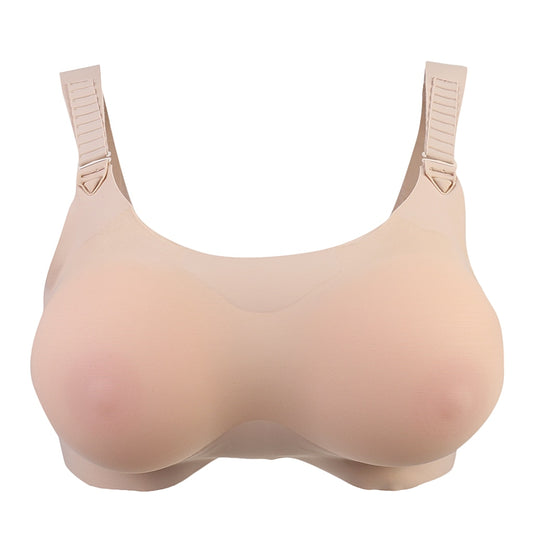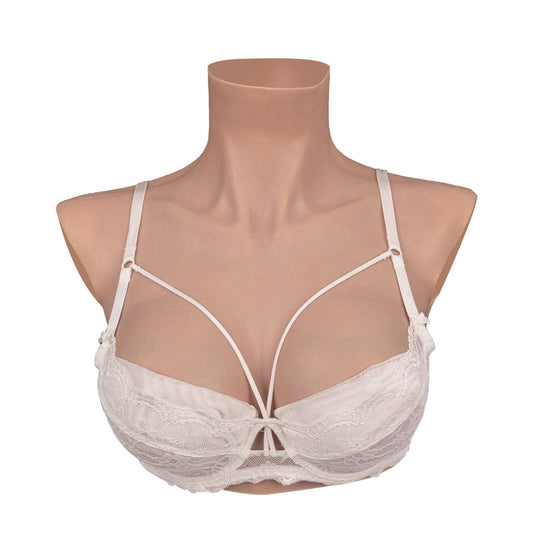

Quality silicone breast forms are an investment — and with the right care routine, they'll last 3–5 years or more. Without it, the surface degrades, the texture becomes tacky, and adhesive performance drops. This guide covers everything: daily cleaning, adhesive residue removal, powdering, storage, travel, and what to avoid.
For the complete guide to breast forms including types, sizing, and wearing methods, see our Complete Guide to Non-Medical Breast Forms.
After Every Use: The Core Routine
Step 1: Remove Adhesive Residue (If Applicable)
If you used medical-grade adhesive, remove all residue from the back of the form before washing. Residue buildup is the most common cause of reduced adhesive performance over time — it creates an uneven surface that prevents future adhesive from bonding properly.
- Apply adhesive remover or baby oil to a cotton pad.
- Gently wipe the back of the form in circular motions until all residue is removed.
- Check the edges — residue often accumulates there.
- Do not use acetone, nail polish remover, or alcohol on the silicone surface — these degrade the material.
Step 2: Wash
- Fill a basin or sink with lukewarm water. Never use hot water — heat degrades silicone over time and can cause warping.
- Add a small amount of mild soap — baby soap, gentle hand soap, or a dedicated silicone cleaner. Avoid antibacterial soaps, which can be too harsh.
- Gently work the soap over the entire surface of the form, including the back, edges, and any textured areas. Do not scrub.
- Rinse thoroughly under lukewarm water until all soap is completely removed. Soap residue left on the surface can cause tackiness.
Step 3: Dry
- Pat the form dry with a soft, lint-free cloth. Never rub — rubbing can damage the surface texture over time.
- Allow to air dry completely before powdering or storing. Storing forms while still damp can cause surface issues.
Step 4: Powder
This step is non-negotiable for silicone forms. Once completely dry, dust the entire surface — front, back, and edges — lightly with talcum powder or cornstarch using a soft brush or powder puff.
Why powdering matters: Silicone naturally becomes tacky when dry. Powdering prevents this tackiness, protects the surface texture, makes forms easier to handle and insert into a pocket bra, and significantly extends the lifespan of the form. Forms that aren't powdered regularly develop a sticky surface that attracts lint and debris and degrades faster.
Use only talcum powder or cornstarch. Do not use scented powders, body sprays, or anything with added ingredients that could react with the silicone.
Storage
How you store forms between uses matters as much as how you clean them.
- Original box or soft pouch: Store forms in their original packaging or a dedicated soft pouch. The original box is designed to support the form's shape.
- Away from heat: Never store forms near radiators, in a hot car, or in direct sunlight. Sustained heat warps silicone permanently.
- Away from sharp objects: Keep forms away from pins, needles, scissors, and anything that could puncture the surface. Punctures are irreparable.
- No stacking without padding: Never stack forms directly on top of each other. Place a soft cloth or tissue between them if you need to store them together.
- Flat or supported: Store forms flat or in a position that supports their shape. Storing forms on their edge for extended periods can cause slight deformation over time.
Travel Care
Forms are vulnerable during travel — compression, puncture, and heat are the main risks.
- Wrap each form individually in a soft microfiber cloth or bubble wrap.
- Place in a rigid container — a hard-shell makeup case or dedicated form case works well.
- Never pack forms loose in a bag where they can be compressed by other items or punctured by sharp objects.
- Do not check forms in luggage that will be stored in an aircraft hold in extreme cold — sustained very low temperatures can affect silicone flexibility temporarily.
- Keep forms in your carry-on where possible for temperature control and to avoid baggage handling damage.
What to Avoid
| Avoid | Why |
|---|---|
| Hot water | Degrades silicone, can cause warping |
| Acetone / nail polish remover | Dissolves silicone surface |
| Alcohol on the surface | Dries and degrades silicone texture |
| Abrasive cleaners or scrubbing | Damages surface texture permanently |
| Antibacterial soap | Too harsh for silicone long-term |
| Scented powders or body sprays | Added ingredients can react with silicone |
| Direct sunlight for storage | UV and heat degrade silicone over time |
| Sharp objects nearby | Punctures are irreparable |
| Skipping powdering | Surface becomes tacky, attracts debris, degrades faster |
Troubleshooting
Forms Feel Tacky
Cause: not powdered after washing, or powder has worn off during wear. Fix: wash, dry completely, and dust thoroughly with talcum powder or cornstarch. For forms that have been stored without powdering for a long time, a thorough wash and powder application usually restores the surface.
Surface Looks Dull or Rough
Cause: harsh cleaning products, abrasive wiping, or accumulated residue. Fix: wash gently with mild soap, rinse thoroughly, and powder. If the surface texture is permanently damaged, it cannot be fully restored — this is why gentle cleaning matters from the start.
Adhesive Not Bonding as Well as Before
Cause: adhesive residue buildup on the back of the form. Fix: clean the back thoroughly with adhesive remover until all residue is gone, then wash and dry. A clean surface bonds significantly better than one with residue buildup.
Forms Have a Slight Odor
Cause: sweat and body oils not fully removed during cleaning. Fix: wash more thoroughly, paying attention to the back and edges. Allow to air dry completely before storing — storing forms while damp can cause odor development.
How Long Should Forms Last?
With proper care — cleaning after every use, powdering, correct storage, and gentle handling — quality medical-grade silicone forms last 3–5 years or more. Forms that are cleaned irregularly, stored without powdering, or exposed to heat and harsh products may degrade significantly faster.
Signs it's time to replace forms: permanent surface tackiness that doesn't respond to powdering, visible surface degradation, loss of shape, or punctures.
Shop Breast Forms
For the complete guide to breast forms including types, sizing, application, and performance tips, read our Complete Breast Forms Guide.