
A full bodysuit is one of the most powerful transformation tools available to drag queens, crossdressers, and gender-fluid performers. But when it comes to choosing between silicone and foam, the decision isn't always obvious. Both have real advantages — and the right choice depends on your goals, budget, and how you plan to wear it. This guide breaks it all down.
What Is a Crossdressing Bodysuit?
A crossdressing or feminizing bodysuit is a full-body garment designed to reshape the male torso into a feminine silhouette. They typically include built-in breast forms, hip and butt padding, and a waist-cinching design. Some are made from foam, others from medical-grade silicone — and the difference between the two is significant.
Silicone Bodysuits: The Realistic Choice
What they are
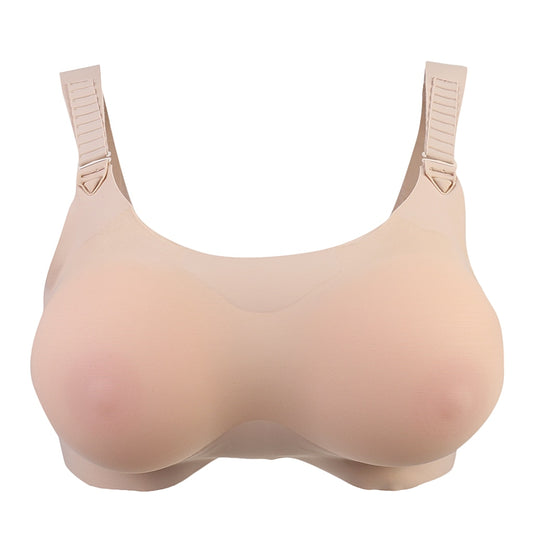
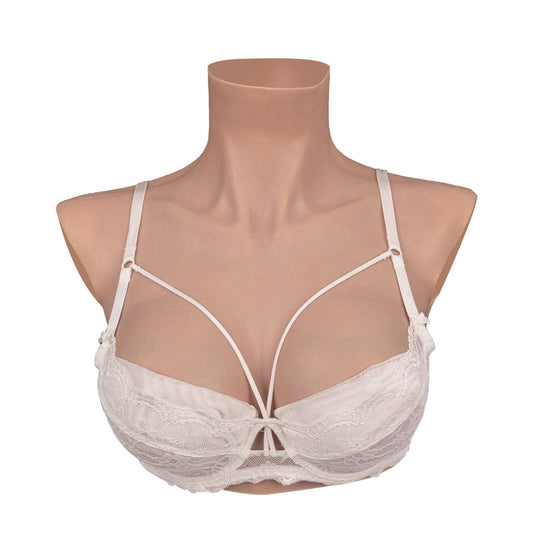
Silicone bodysuits are made from medical-grade or platinum-cure silicone that mimics the look, feel, and movement of real skin. They're hand-crafted and often custom-made, with realistic skin textures, nipple details, and natural body contours.
Pros
- Hyper-realistic appearance: Under sheer fabrics, swimwear, or in close-up photography, silicone is virtually indistinguishable from real skin.
- Natural movement: Silicone moves with your body, jiggling and shifting the way real flesh does. This is especially important for performers.
- Durability: A well-made silicone bodysuit can last many years with proper care.
- Skin tone matching: Many silicone suits are available in a range of skin tones for a seamless look.
Cons
- Weight: Silicone is heavy. A full bodysuit can weigh 10–20+ lbs, which can be tiring to wear for extended periods.
- Heat: Silicone doesn't breathe. It can get very warm, especially under stage lighting or in hot environments.
- Price: Quality silicone bodysuits are a significant investment, often ranging from several hundred to several thousand dollars.
- Care requirements: Silicone requires careful handling and specific cleaning products to maintain its integrity.
Foam Bodysuits: The Practical Choice
What they are
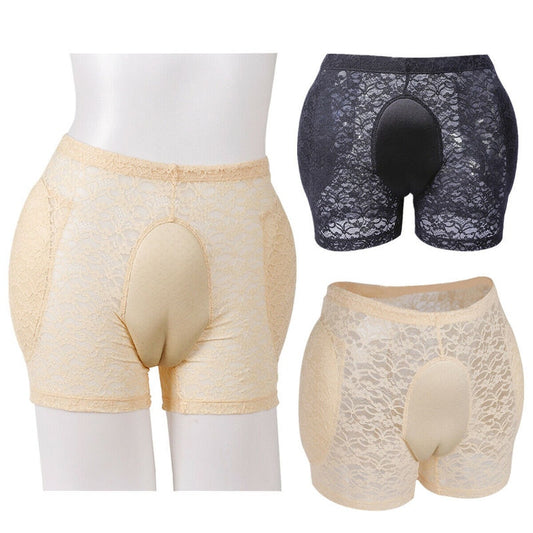
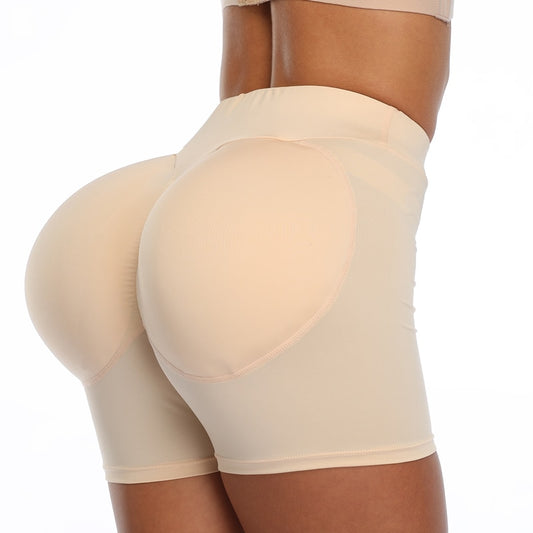
Foam bodysuits use shaped foam padding sewn into a fabric garment to create a feminine silhouette. They're lighter, more affordable, and more breathable than silicone alternatives.
Pros
- Lightweight: Foam is dramatically lighter than silicone, making it far more comfortable for long performances or all-day wear.
- Breathable: The fabric construction allows for much better airflow, reducing heat and sweat.
- Affordable: Foam bodysuits are accessible at a wide range of price points, making them ideal for beginners.
- Easy to care for: Most foam bodysuits can be hand-washed and air-dried without special products.
- Customizable: Foam can be trimmed and shaped to adjust the silhouette to your preferences.
Cons
- Less realistic: Foam doesn't move or feel like real skin. Under thin or sheer fabrics, the padding edges may be visible.
- Less durable: Foam can compress and lose its shape over time, especially with frequent use.
- Limited skin-tone matching: The fabric exterior comes in limited colors and won't match your skin tone the way silicone can.
Side-by-Side Comparison
| Feature | Silicone | Foam |
|---|---|---|
| Realism | ⭐⭐⭐⭐⭐ | ⭐⭐⭐ |
| Weight | Heavy (10–20+ lbs) | Light |
| Breathability | Low | High |
| Price | High ($300–$3,000+) | Low–Mid ($50–$300) |
| Durability | Very high | Moderate |
| Best for | Photography, film, close-up looks | Stage, long performances, beginners |
Which Should You Choose?
Here's a simple decision framework:
- Choose silicone if: You need a hyper-realistic look for photography, film, or close-up appearances. You're performing in outfits with sheer or form-fitting fabrics. You're willing to invest in a long-term piece and can manage the weight and heat.
- Choose foam if: You're new to bodysuits and want to experiment before committing to a higher price point. You perform in hot environments or for long periods. You wear full costumes or gowns where the bodysuit won't be directly visible. You want something easy to care for and travel with.
- Consider both if: You're a regular performer with different looks for different occasions. Use foam for long shows and silicone for photoshoots or close-up performances.
Sizing & Fit Tips
- Always measure your chest, waist, hips, and torso length before purchasing.
- Silicone suits are often custom-made — provide accurate measurements for the best fit.
- Foam suits typically follow standard sizing. When in doubt, size up for comfort.
- Consider your height — torso length matters as much as circumference measurements.
Care & Maintenance
Silicone: Wipe clean with a damp cloth and mild soap after each use. Store flat or hanging to prevent deformation. Apply silicone conditioner periodically to maintain suppleness. Keep away from sharp objects.
Foam: Hand wash with mild detergent in cool water. Gently squeeze out excess water — never wring. Air dry flat. Store in a cool, dry place away from direct sunlight.
Frequently Asked Questions
Can I wear a bodysuit all day?
Foam bodysuits are comfortable enough for extended wear. Silicone suits are best for shorter periods due to their weight and heat retention.
Will a bodysuit work under any outfit?
Foam works best under structured or layered outfits. Silicone works under almost anything, including sheer and form-fitting styles.
Are silicone bodysuits worth the price?
If realism is your priority and you'll use it regularly, yes. For occasional use or stage performances, a quality foam suit delivers excellent value.
Can I swim in a bodysuit?
Some silicone suits are water-resistant, but we recommend checking the product specifications. Foam suits are generally not suitable for swimming.
Ready to transform? Shop our full silicone crossdressing bodysuit →