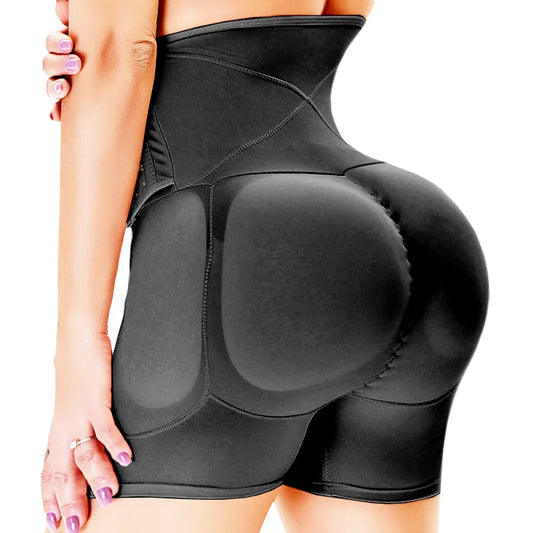
The Complete Guide to Non-Medical Breast Forms for Drag Queens, Crossdressers & Gender Expression (2026)
The Complete Guide to Non-Medical Breast Forms for Drag Queens, Crossdressers & Gender Expression (2026)
Whether you're stepping onto a stage for the first time or you've been tucking and padding for years, choosing the right breast forms is one of the most transformative decisions in your drag or gender expression journey. The right pair creates a silhouette that reads from the back row. The wrong pair slips mid-number, catches under stage lights, or simply doesn't match your frame.
This guide covers everything — materials, sizing, application, performance, care, and honest buying advice — written specifically for drag queens, crossdressers, cosplayers, and anyone exploring gender expression. We do not cover post-mastectomy or medical prostheses; this is purely about illusion, performance, and self-expression.
Let's build your silhouette.
1. What Are Non-Medical Breast Forms?
Breast forms are wearable prostheses designed to create the appearance of a feminine chest. Non-medical breast forms are engineered for performance, aesthetics, and expression — not post-surgical reconstruction. They are used by:
- Drag queens for stage performance and competition
- Crossdressers for everyday feminine presentation
- Cosplayers building character-accurate silhouettes
- Trans women and non-binary individuals exploring gender expression
- Performers, models, and anyone who wants a fuller chest for any reason
The distinction matters because non-medical forms prioritize realism of movement, edge invisibility, and wearability under costumes — not clinical fit or lymphedema management. You'll find a much wider range of sizes (including extreme cups for high-impact drag looks), shapes, and attachment methods than in the medical market.
2. Materials Science: Silicone, Foam, Gel & More
Medical-Grade Silicone
The gold standard for realism. Medical-grade silicone mimics the density, jiggle, and warmth of natural breast tissue more closely than any other material. Key properties:
- Feel & movement: Soft, weighted, and responsive — bounces and moves naturally with your body
- Skin texture: Premium silicone forms feature textured surfaces that blend under sheer fabrics and fishnets
- Weight distribution: The weight sits low and forward, creating natural drape and cleavage
- Heat retention: Silicone retains body heat — a consideration for long shows in hot venues (see Performance section)
- Durability: With proper care, quality silicone forms last 3–5+ years
Our Silicone Breast Forms, Waterdrop Silicone Breast Forms, and Round Silicone Breast Forms are all medical-grade silicone.
Foam Breast Forms
Lightweight and breathable — the practical choice for long wear, hot climates, or everyday use where realism is secondary to comfort.
- Weight: Dramatically lighter than silicone — ideal for all-day wear or performers who need to move freely
- Breathability: Foam doesn't retain heat the way silicone does
- Realism: Less natural movement and jiggle; edges can be more visible under thin fabrics
- Cost: Generally more affordable, making foam a good entry point
Cotton-Fill & Silk-Cotton
Soft, lightweight, and often used in leisure or everyday forms. Less realistic movement than silicone but extremely comfortable for extended wear. Good for beginners or those prioritizing comfort over stage-ready realism.
Gel-Fill
A middle ground — softer than foam, lighter than silicone, with decent movement. Often found in budget-friendly forms. Not as durable as silicone long-term.
Quick Comparison
| Material | Realism | Weight | Breathability | Durability | Best For |
|---|---|---|---|---|---|
| Medical-grade silicone | ★★★★★ | Heavy | Low | ★★★★★ | Stage, photos, high realism |
| Gel-fill | ★★★☆☆ | Medium | Medium | ★★★☆☆ | Everyday, budget |
| Foam | ★★☆☆☆ | Light | High | ★★★☆☆ | Long wear, hot venues, beginners |
| Cotton/silk-cotton | ★★☆☆☆ | Very light | Very high | ★★☆☆☆ | Casual, comfort-first |
3. Full Typology: Every Style Explained
Individual Silicone Forms (Separate Pair)
The most versatile option — two individual forms worn in a pocket bra or adhered directly to the chest. You control placement, spacing, and cleavage independently.
- Pros: Maximum flexibility, easy to replace one if damaged, works with any bra style
- Cons: Requires a good pocket bra or adhesive; edges visible if not blended carefully
- Best for: Stage performance, everyday drag, beginners learning placement
Shop individual forms: Waterdrop · Round · A Cup · B Cup · C Cup · D Cup · F Cup · G Cup · H Cup · S Cup
High-Neck Breastplates
A single piece that covers the chest, décolletage, and often the upper abdomen. Creates a seamless, skin-like surface with no visible edges at the neckline.
- Pros: Invisible under low-cut tops, no edge management at the chest, dramatic cleavage built in
- Cons: Less breathable, harder to size precisely, more expensive
- Best for: Sheer tops, low necklines, pageant looks, photography
Shop: High Neck Silicone Breast Forms
Tube-Top / Full Suit Styles
Full silicone suits or tube-top forms that integrate the chest with a torso piece, creating a complete feminine upper body silhouette.
- Pros: No edge management anywhere on the torso, extremely realistic full-body effect
- Cons: Expensive, hot, requires careful sizing
- Best for: Extreme realism, full-body transformation, photography, cosplay
Shop: Breast Forms Silicone Suit Collection
Adhesive Forms
Individual forms with a pre-applied adhesive backing, designed to stick directly to the chest without a bra.
- Pros: No bra needed, works under backless or strapless costumes
- Cons: Adhesive degrades over time, requires careful skin prep, not ideal for heavy sweating
- Best for: Backless looks, swimwear, costumes where a bra is impossible
Pocket Bra Method
Not a form type, but the most common wearing method — a bra with built-in pockets that hold individual forms securely. Our Crossdresser Lace Pocket Bra is designed specifically for silicone breast forms and provides excellent support and positioning.
4. Shapes & Projection: Which Look Are You Creating?
Shape determines the silhouette you create — and different shapes serve different aesthetics.
| Shape | Profile | Best Look | Stage vs Everyday |
|---|---|---|---|
| Teardrop | Fuller at bottom, tapers at top | Natural, anatomical slope | Everyday, natural drag |
| Waterdrop | Rounder than teardrop, slight point at bottom | Natural with slight lift | Versatile — both |
| Round | Even projection all around | Pushed-up, full, glamorous | Stage, glam drag |
| High-neck/breastplate | Full coverage, built-in cleavage | Seamless décolletage | Stage, pageant, photos |
| Extreme/large cup | Maximum projection and volume | High-impact, comedy, camp | Stage, performance art |
Key principle: Round forms create a pushed-up, bra-enhanced look even without a bra. Teardrop/waterdrop forms look more natural and anatomical. For drag, round or waterdrop shapes in larger cups tend to read best from a distance under stage lighting.
5. Sizing & Fitting for AMAB Bodies
This is where most guides fail — and where we go deep. AMAB (assigned male at birth) bodies have different chest geometry than cisgender women's bodies, and standard bra sizing charts don't translate directly. Here's the complete system.
Step 1: Take Your Measurements
- Underbust: Measure around your ribcage directly under where your bust will sit. Breathe normally — don't suck in.
- Overbust: Measure around the fullest part of your chest (where the forms will project). For AMAB bodies, this is typically across the nipple line.
- Shoulder width: Measure across the back from shoulder point to shoulder point.
- Chest depth / pectoral shape: Note whether your pectoral muscles are flat, moderately developed, or very developed — this affects how forms sit and whether you need a deeper-profile form.
Step 2: Calculate Your Band Size
Add 4 inches to your underbust measurement if it's even; add 5 inches if it's odd. This gives your band size (e.g., underbust 34" → band size 38).
Step 3: Determine Cup Size
Subtract your band size from your desired overbust measurement. Each inch = one cup size:
- 1" difference = A cup
- 2" = B cup
- 3" = C cup
- 4" = D cup
- 5" = DD/E cup
- 6" = F cup
- 7" = G cup
- 8" = H cup
- And so on for larger sizes
AMAB Frame Sizing Chart
| Frame Type | Underbust | Recommended Band | Natural-Looking Cup | Dramatic Drag Cup |
|---|---|---|---|---|
| Petite / slim | 28–32" | 32–36 | B–C | D–F |
| Average | 33–36" | 36–40 | C–D | E–G |
| Athletic / broad | 37–40" | 40–44 | D–E | F–H |
| Plus / full | 41–46"+ | 44–50+ | D–F | G–S+ |
Common Sizing Mistakes to Avoid
- Too-narrow forms on broad shoulders: If the form plate is narrower than your pectoral width, the edges lift and the forms look "stuck on." Choose forms with a wider base plate for broader frames.
- Wrong back profile: Forms that are too thick for your chest depth will push forward unnaturally and cause edge lift at the sides.
- Ignoring proportion: A D cup on a very broad frame may look smaller than a C cup on a petite frame. Consider your overall silhouette, not just the cup number.
- Skipping hip/butt balance: Breast forms alone don't create an hourglass — you need hip and butt padding proportional to your bust. A general rule: hip measurement should be roughly equal to or slightly larger than your bust measurement for a balanced hourglass.
Shop by Cup Size
A Cup · B Cup · B Minus Cup · C Cup · Long C Cup · Upgraded C Cup · D Cup · D Cup Silicone · Upgraded D Cup · E Cup · F Cup · Upgraded F Cup · G Cup · H Cup · Long H Cup · S Cup
Browse all: Huge Breast Forms Collection
6. Application Methods
Method 1: Pocket Bra (Recommended for Beginners)
The easiest and most secure method for most performers. A pocket bra holds forms in place without any adhesive, making it easy to adjust positioning and remove forms quickly.
- Put on your pocket bra and adjust the band so it sits firmly on your ribcage.
- Insert forms into the pockets with the nipple pointing forward and the widest part of the form sitting at the outer chest.
- Adjust the forms upward or downward to create your desired cleavage height.
- Check the side profile — forms should sit flush against your chest with no visible gap at the edges.
Method 2: Medical-Grade Adhesive
For backless looks, strapless costumes, or maximum security during high-energy performances.
- Skin prep: Clean the chest area with isopropyl alcohol and allow to dry completely. Remove all oils, lotions, and sweat.
- Apply adhesive in thin coats: Apply a thin layer to the back of the form (not your skin). Allow to become tacky (30–60 seconds) before applying a second thin coat. Never apply one thick coat.
- Curing time: Allow the second coat to become tacky before pressing the form firmly to your chest.
- Press and hold: Press firmly for 30–60 seconds, working from the center outward to eliminate air pockets.
- Sweatproof technique: For hot venues, apply a light dusting of translucent powder around the edges after the adhesive has set to prevent edge lift from sweat.
Removal: Never pull forms off dry. Apply adhesive remover or baby oil around the edges and allow it to work under the form for 1–2 minutes before gently peeling from the edge inward. Rushing removal damages both the form and your skin.
Method 3: Tape
Fashion tape or body tape can supplement a pocket bra or provide light hold for forms with a flat back. Not recommended as the sole attachment method for heavy silicone forms during active performance.
Method 4: No-Adhesive Options
For performers who prefer to avoid adhesives entirely: pocket bras, compression vests with form pockets, or full silicone suits provide secure hold without any glue.
7. Realism, Movement & Edge Blending
Jiggle & Bounce
Silicone forms move with your body — they jiggle when you walk, bounce when you dance, and settle naturally when you stand still. This is what makes them read as real from a distance. Foam forms have minimal movement; gel forms fall in between.
Cleavage Creation
Cleavage is created by pushing forms toward the center of the chest. In a pocket bra, you can adjust this by moving the forms inward. With adhesive, placement is everything — position forms closer together for dramatic cleavage, further apart for a natural look.
Edge Blending Under Stage Lights
Stage lighting is harsh and reveals edges that look invisible in a mirror. Techniques to minimize visible edges:
- Skin-tone matching: Choose forms as close to your chest skin tone as possible, or use body paint/foundation to blend edges.
- Fishnets and sheer fabrics: These naturally break up the edge line — a strategic costume choice for performers who struggle with edge visibility.
- High-neck breastplates: Eliminate the top edge entirely by covering the décolletage.
- Powder the edges: A light dusting of setting powder around the form edges reduces shine differential between silicone and skin.
Nipple Detail
Premium silicone forms include realistic nipple detail that shows through thin fabrics. For performances where this is undesirable, nipple covers or a lined bra over the forms will conceal the detail.
8. Performance-Specific Advice
Hot Venues & Long Shows
Silicone retains heat — after 2–3 hours in a hot venue, forms can become uncomfortably warm. Strategies:
- Store forms in a cool bag before the show and apply them as close to performance time as possible.
- Use a pocket bra rather than adhesive in very hot venues — adhesive weakens with excessive sweat.
- Consider foam forms for marathon shows (4+ hours) where comfort outweighs realism.
- Apply antiperspirant to the chest area (not the form) the night before to reduce sweating under the forms.
Dancing & Vogueing
High-energy movement requires secure attachment. For death drops, dips, and floor work:
- Use a well-fitted pocket bra with a firm band — the band does the work, not the cups.
- If using adhesive, apply 2–3 thin coats and allow full curing time before performing.
- Test your forms at home with the same movements you'll perform before the show.
- Larger, heavier forms (G cup and above) require more secure attachment — double-check before going on stage.
Costume Integration
Different costume types require different approaches:
- Corsets: The corset provides additional support — forms can be placed inside the corset cup or in a pocket bra underneath.
- Sheer/mesh tops: Edge blending is critical. Use a high-neck breastplate or blend edges with body paint.
- Backless gowns: Adhesive method only. Ensure the adhesive is fully cured before putting on the gown.
- Swimwear/swimsuit: Adhesive forms or forms in a swimsuit with built-in pockets. Silicone is waterproof; foam is not.
Lighting Considerations
Under bright stage lighting, the difference in sheen between silicone and skin becomes more visible. Matte setting spray applied lightly over the forms (test on a small area first) can reduce shine. Avoid glitter or shimmer products directly on the forms as they can be difficult to clean.
9. Care, Storage & Longevity
Cleaning
- After each use, wash forms with mild soap and lukewarm water. Never use hot water — it can degrade the silicone over time.
- Rinse thoroughly and pat dry with a soft cloth. Never rub or wring.
- Allow to air dry completely before storing.
- For adhesive residue, use a dedicated adhesive remover or isopropyl alcohol on a cotton pad, applied gently to the back of the form only.
Powdering
Once dry, dust the surface of silicone forms lightly with talcum powder or cornstarch. This prevents the silicone from becoming tacky, protects the surface, and makes the forms easier to handle and insert into a pocket bra.
Storage
- Store forms in their original box or a soft pouch — never stacked directly on top of each other without padding.
- Keep away from direct sunlight and heat sources.
- Do not store with sharp objects or in tight spaces that could deform the shape.
- For travel, wrap each form individually in a soft cloth and place in a rigid container.
Troubleshooting
| Problem | Cause | Fix |
|---|---|---|
| Forms slipping during performance | Insufficient adhesive, worn pocket bra band, sweat | Re-apply adhesive with proper thin-coat technique; replace bra if band is stretched; use antiperspirant on chest |
| Overheating | Silicone heat retention in hot venue | Pre-cool forms; switch to foam for long shows; take breaks in cool areas |
| Visible edges under lights | Skin tone mismatch, no edge blending | Body paint edges; use sheer/fishnet overlay; switch to high-neck breastplate |
| Skin irritation from adhesive | Adhesive sensitivity, insufficient removal | Use hypoallergenic adhesive; ensure complete removal with remover; give skin rest days |
| Forms losing shape | Improper storage, heat damage | Store in original box; avoid heat; replace if silicone is torn or deformed |
10. Honest Buying Framework
Budget vs Premium: What Actually Matters
The price difference between budget and premium breast forms is real — and so is the performance difference. Here's what you're actually paying for:
| Factor | Budget Forms | Premium Forms |
|---|---|---|
| Silicone quality | Lower-grade, less realistic movement | Medical-grade, natural jiggle and drape |
| Skin texture | Smooth, obvious silicone look | Textured, skin-like surface |
| Nipple detail | Minimal or absent | Realistic, detailed |
| Durability | 1–2 years with care | 3–5+ years with care |
| Edge profile | Thicker, more visible edges | Feathered edges for better blending |
Our recommendation: If you're performing regularly or investing in your drag, buy the best silicone you can afford once rather than replacing budget forms repeatedly. For beginners still learning sizing and placement, a mid-range silicone form is a smart starting point.
What Doesn't Matter as Much as Marketing Claims
- "Self-adhesive" backing: Pre-applied adhesive on budget forms is rarely as strong as separately applied medical-grade adhesive.
- Cup size numbers alone: Sizing varies by manufacturer. Always check the actual dimensions (width, projection, weight) rather than relying on cup size labels.
- Skin tone matching from photos: Silicone photographs differently than it looks in person. When in doubt, go slightly lighter — you can always darken with body paint.
11. Style Guides by Look
Natural Everyday
Goal: passes as natural in everyday clothing. Choose a teardrop or waterdrop shape in a size proportional to your frame (see sizing chart above). Wear in a well-fitted pocket bra. Stick to B–D cup range for most frames. Prioritize skin-tone matching and feathered edges.
Recommended: Waterdrop Silicone Breast Forms · Round Silicone Breast Forms
High-Glam Pageant
Goal: dramatic, polished, reads beautifully in photos and under stage lighting. Choose round forms in D–F cup range. Use a high-neck breastplate for seamless décolletage. Pair with a structured corset or boned bodice for maximum silhouette impact.
Recommended: High Neck Silicone Breast Forms · Upgraded D Cup · Upgraded F Cup
Comedy & Camp
Goal: exaggerated, theatrical, intentionally over-the-top. Go big — G cup and above. Movement and jiggle are features, not bugs. Secure with adhesive and a pocket bra for maximum hold during physical comedy.
Recommended: G Cup Silicone Breast Forms · H Cup Silicone Breast Forms · Sexy S Cup Breast Forms
Extreme Sizes (H–S Cup)
For high-impact looks, extreme sizes require extra attention to support and attachment. Key considerations:
- Use a reinforced pocket bra with a firm, wide band — standard bras won't provide enough support for very large forms.
- Adhesive alone is not sufficient for H cup and above during active performance — always combine with a pocket bra or harness.
- Expect more heat retention and weight — plan your performance accordingly.
- Proportion: very large bust requires proportional hip and butt padding to avoid a top-heavy silhouette.
Shop extreme sizes: Long H Cup · S Cup · Huge Breast Forms Collection
12. Frequently Asked Questions
Are breast forms safe for AMAB bodies?
Yes. Non-medical silicone breast forms are made from body-safe, medical-grade silicone and are safe for all body types. If you have sensitive skin, test adhesives on a small area before full application and give your skin rest days between uses.
How do I know what size breast forms to buy?
Take your underbust and overbust measurements, then use our sizing chart above to determine your band and cup size. For AMAB bodies, we recommend going up one cup size from what the chart suggests if you want a more dramatic look, or staying at the chart recommendation for a natural appearance.
Can I wear breast forms all day?
Yes, with some considerations. Silicone forms retain heat, so all-day wear in warm environments can become uncomfortable. Foam forms are more breathable for extended wear. If using adhesive, give your skin rest days to prevent irritation.
What's the difference between a breastplate and individual forms?
Individual forms are two separate pieces worn in a pocket bra or adhered to the chest — they offer flexibility in placement and work with any bra. A breastplate is a single piece covering the entire chest and décolletage, eliminating visible edges at the neckline. Breastplates are ideal for low-cut or sheer tops; individual forms are more versatile for everyday use.
How long do silicone breast forms last?
With proper care — gentle washing, powdering, and correct storage — quality medical-grade silicone forms last 3–5 years or more. Avoid sharp objects, excessive heat, and harsh chemicals. Replace forms if the silicone tears, develops holes, or loses its shape.
Can I swim or shower with breast forms?
Silicone forms are waterproof and can be worn in water. Foam forms are not waterproof and should not be submerged. After water exposure, rinse silicone forms with clean water, wash with mild soap, and allow to dry completely before storing.
What bra do I need for breast forms?
A pocket bra — a bra with built-in pockets designed to hold breast forms — is the most secure and easiest option. Our Crossdresser Lace Pocket Bra is designed specifically for silicone forms and provides excellent support and positioning for AMAB bodies.
Are these forms for medical use or post-mastectomy?
No. All breast forms at The Drag Queen Store are designed exclusively for drag, crossdressing, cosplay, and gender expression. They are not medical devices and are not intended for post-mastectomy use. For medical prostheses, please consult a certified mastectomy fitter.
Ready to Build Your Silhouette?
Browse our complete breast forms collection and find your perfect match:
- Huge Breast Forms — All Sizes
- Silicone Suit Collection
- High Neck Breastplate
- Pocket Bra for Breast Forms
Still have questions? Read our supporting guides:
Explore...
View all-
“SLAY ALL DAY” Ultra-Realistic Silicone Breast Plate Bra – Drag Queen Essential (C • D • E Cup) Instant Iconic Cleavage • No Tape • No Glue • Just GAG-WORTHY Curves!
Regular price From CHF 136.00Regular priceUnit price per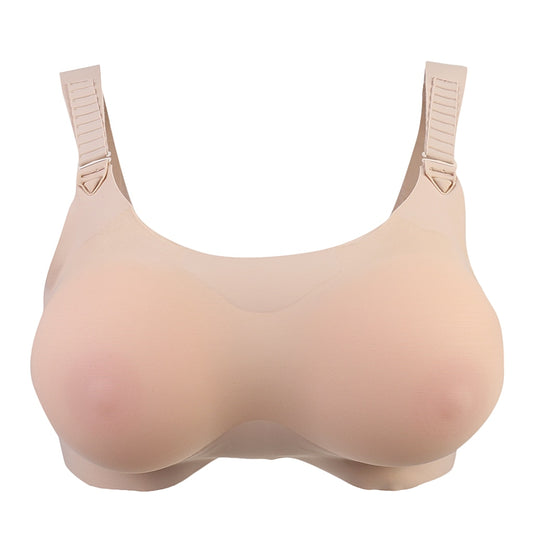
-
Dora Jar Fierce Lace-Up Platform Boots: Slay the Stage in Suede Glory!
Regular price CHF 148.00Regular priceUnit price per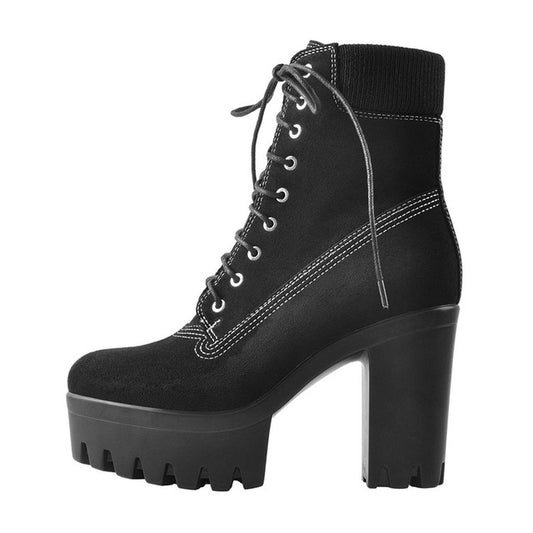
-
Cleo Patrix Afro Kinky Wig – 16" | Drag Queen Wig | 150% Density
Regular price CHF 119.00Regular priceUnit price perCHF 119.00Sale price CHF 119.00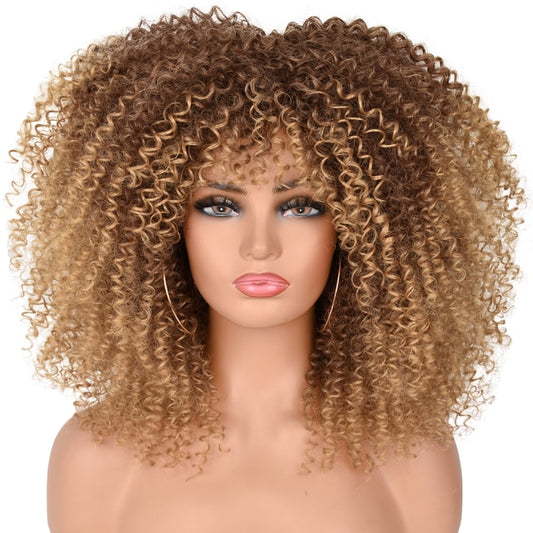
-
Gena Rocity Platform Pumps – Slay Every Step
Regular price CHF 136.00Regular priceUnit price perCHF 164.00Sale price CHF 136.00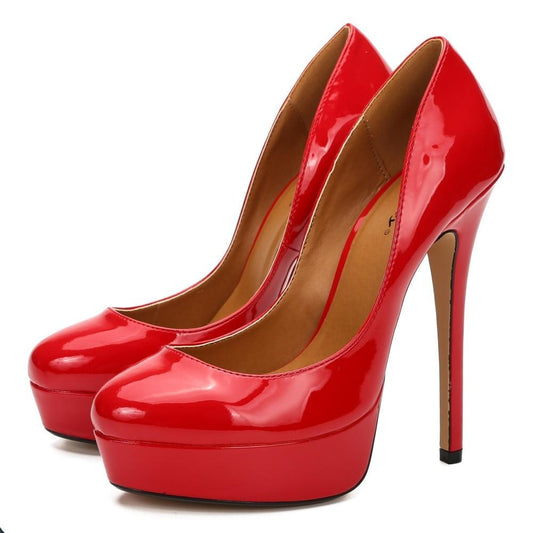 Sale
Sale -
Feminine & Flawless: Hiding Gaff Panties with Hip Pads
Regular price CHF 81.00Regular priceUnit price perCHF 104.00Sale price CHF 81.00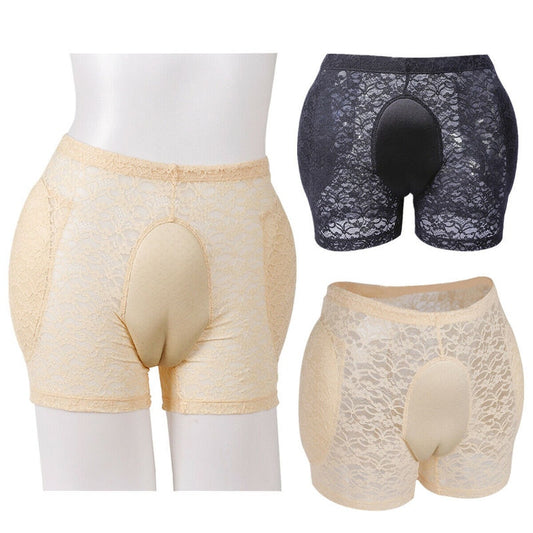 Sale
Sale -
Drag Queen Essential: Padded Hip & Butt Enhancing Panties for Killer Curves & Hourglass Perfection!
Regular price CHF 127.00Regular priceUnit price perCHF 103.00Sale price CHF 127.00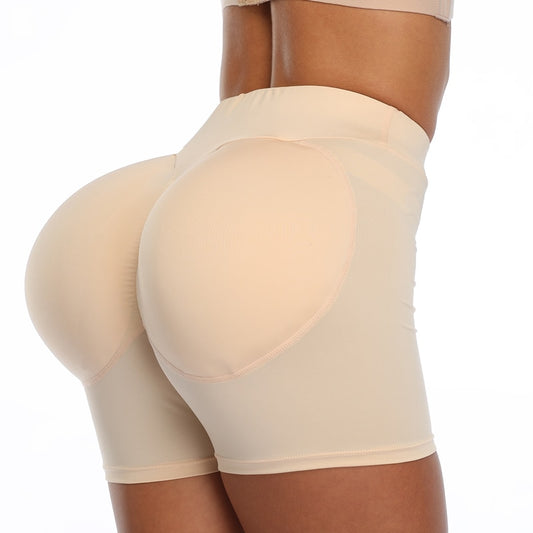
-
Amie Thyst Silicone Breast Forms
Regular price From CHF 218.00Regular priceUnit price perCHF 304.00Sale price From CHF 218.00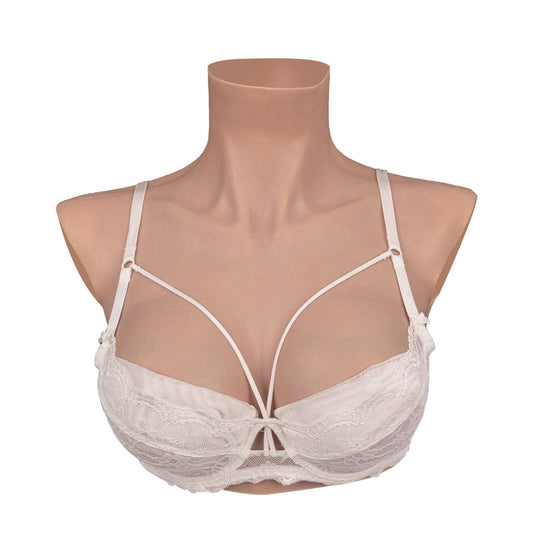 Sale
Sale -
Queen Leticia Underbust Satin Corset
Regular price CHF 58.00Regular priceUnit price perCHF 54.00Sale price CHF 58.00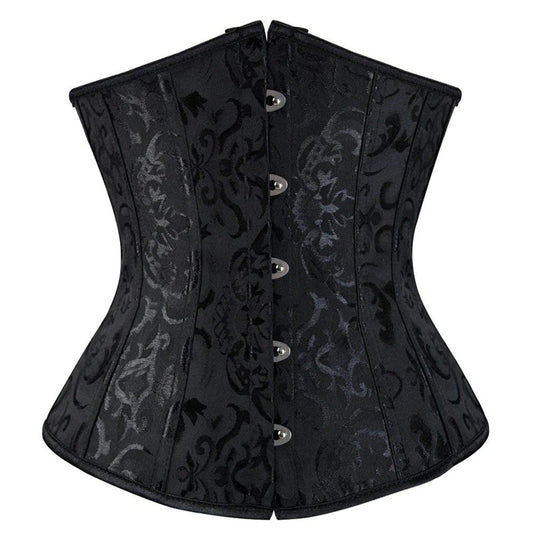
-
Thick Plus Size Tear Resistant Super Elastic Pantyhose
Regular price CHF 42.00Regular priceUnit price perCHF 74.00Sale price CHF 42.00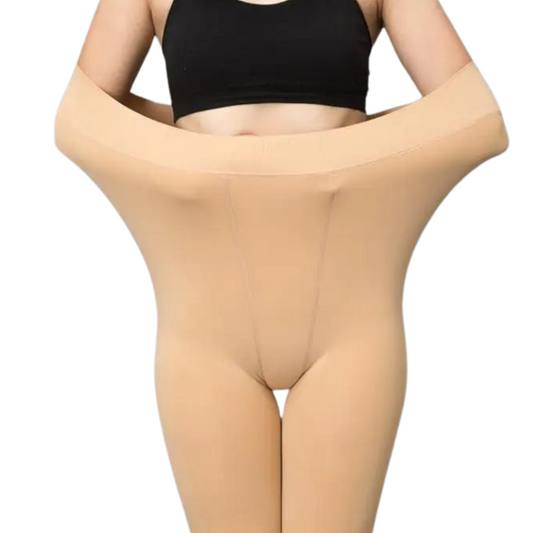 Sale
Sale -
Lace Bra & Breast Form Set
Regular price CHF 144.00Regular priceUnit price perCHF 119.00Sale price CHF 144.00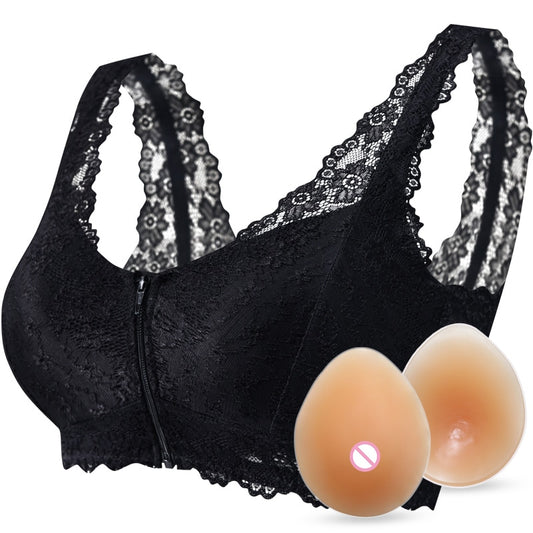
-
Glossy Mary Jane Block Heels – Candy Colors for Sissies & Cuties
Regular price From CHF 124.00Regular priceUnit price perCHF 201.00Sale price From CHF 124.00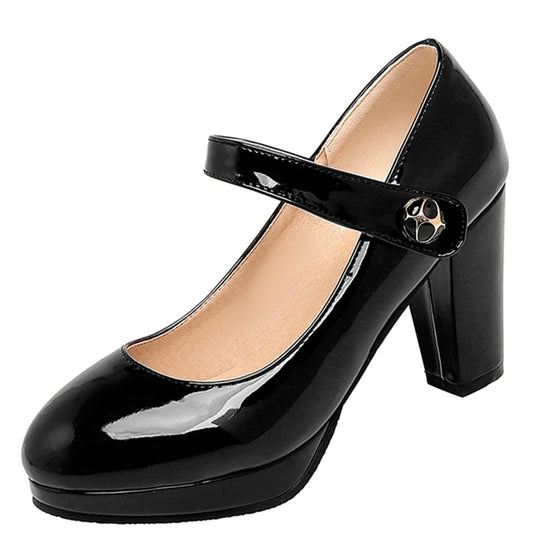 Sale
Sale -
Slay the Stage with Our Fierce Drag Queen Booty & Hip Enhancer Shorts!
Regular price CHF 112.00Sale price CHF 112.00Unit price per