
Best Hip & Butt Padding for Drag Queens 2026: Foam vs Silicone, Shapes, Sizing & Secure Fit Guide
Updated June 2026 | By The Drag Queen Store Team
The hourglass silhouette is the foundation of drag. And behind every snatched waist and dramatic hip curve is the right padding. Whether you're building your first drag body or upgrading your existing padding game, this guide covers everything — foam vs silicone, sizing, layering, securing, and the best products for every body type in 2026.
🍑 Shop the full collection: All Padding | Hip & Butt Padding | Gaffs | Gaff Underwear | Body Suits
Why Hip & Butt Padding Is Non-Negotiable for Drag
The male body typically has narrower hips and a flatter seat than the feminine silhouette drag aims to create. Padding bridges that gap — literally. The right hip and butt padding:
- Creates the illusion of a wider hip-to-waist ratio
- Adds projection and roundness to the seat
- Provides a foundation for dresses, skirts, and bodysuits to drape correctly
- Boosts confidence and stage presence
In 2026, padding technology has advanced significantly. We're seeing more anatomically shaped silicone options, breathable foam composites, and integrated padding-shapewear hybrids that stay put through even the most energetic performances.
Foam vs Silicone Padding: The Ultimate Comparison
| Feature | Foam Padding | Silicone Padding |
|---|---|---|
| Weight | Very light | Heavier, more realistic |
| Realism | Good shape, less jiggle | Excellent — moves naturally |
| Breathability | High — great for long shows | Lower — can get warm |
| Durability | Good, but compresses over time | Excellent — lasts years |
| Price | Budget-friendly | Premium investment |
| Best for | Beginners, long performances | Photo shoots, close-up looks |
| Washing | Hand wash, air dry | Wipe clean with damp cloth |
Queen's verdict: Start with foam for performances and everyday drag. Invest in silicone when you're ready for photo shoots, competitions, or close-contact appearances where realism matters.
Hip Padding Shapes — Which Is Right for Your Body?
Side Hip Pads (Saddlebag Style)
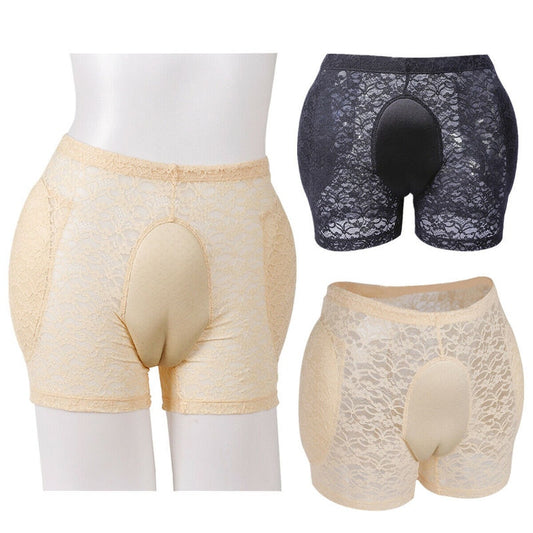
The most common style. Adds width to the outer hip, creating the classic hourglass curve. Best for queens with a naturally narrow hip structure. These sit in pockets on the sides of your shapewear or gaff.
Hip + Butt Combo Pads
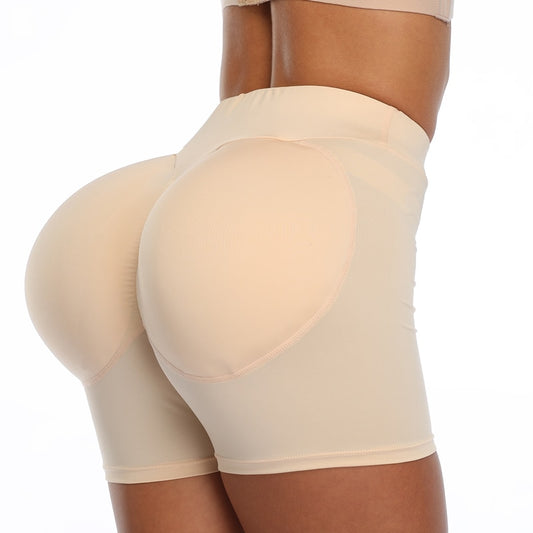
Adds projection both to the sides and the rear simultaneously. Ideal for queens who want a full, rounded silhouette without layering multiple pieces. Our Hip & Butt Padding collection carries the best combo options.
Butt-Only Pads
Focuses projection on the seat. Great for queens who already have natural hip width but want more rear projection. Pairs well with a waist cincher or corset to emphasize the contrast.
Full Body Padding Suits
Integrated suits that pad hips, butt, and sometimes thighs in one piece. Maximum coverage, maximum transformation. See our Body Suits collection.
Sizing Your Hip Padding
Getting the right size is critical — too small and the padding looks unnatural; too large and it won't stay in place. Here's how to measure:
- Measure your natural hip: Measure around the widest point of your hips (usually 7–9 inches below your waist).
- Decide your target hip measurement: Most queens add 4–8 inches to their natural hip measurement for a dramatic silhouette.
- Choose pad thickness accordingly: Each inch of pad thickness adds approximately 2 inches to your hip circumference (one inch per side).
Plus-size queens: Check our dedicated Plus-Size Drag Padding Guide for sizing tips specific to larger frames.
How to Layer Padding with Gaffs & Shapewear
The order you put on your drag foundation matters. Here's the correct layering sequence:
- Gaff first: Your gaff goes on first, directly against the skin. This is your tucking foundation.
- Hip pads second: Slide your hip pads into the pockets of your padded shapewear or hold them in place with a second layer of tight shapewear.
- Shapewear/body suit third: A compression body suit over the top holds everything in place and smooths the silhouette.
- Waist cincher optional: Add a corset or waist cincher over the body suit for maximum waist definition.
- Costume last: Your dress, skirt, or bodysuit goes on over everything.
Keeping Your Padding Secure All Night
- Pocket shapewear: Always use shapewear with built-in pockets designed for padding — loose pads shift and bunch.
- Double layer: A second layer of tight shapewear over your pads locks everything in place for high-energy performances.
- Fashion tape: For silicone pads, a small strip of fashion tape on the inner edge prevents migration.
- Size down in shapewear: Your shapewear should be snug (not painful) — this is what holds your padding in position.
- Test before the show: Do a full run-through in your complete padding setup before performance night. Death drops, spins, and dips should all be tested.
2026 Padding Trends
- Breathable foam composites: New open-cell foam formulations that stay cool under stage lighting — a game changer for long performances.
- Anatomical silicone shaping: More realistic contours that mimic natural fat distribution, not just a flat pad shape.
- Integrated padding bodysuits: All-in-one solutions that combine gaff, hip pads, and shapewear in a single garment.
- Plus-size inclusive sizing: More brands offering padding designed for larger frames, not just scaled-up versions of small designs.
Shop Hip & Butt Padding — Quick Links
- 🍑 Hip & Butt Padding
- 🍑 All Padding
- 👙 Gaffs
- 👙 Gaff Underwear
- 👗 Body Suits
- 👗 Corsets & Waist Cinchers
- 🛍️ Bestsellers
- 🆕 New Arrivals 2026
Frequently Asked Questions
What is the best hip padding for drag queens?
For beginners, foam hip pads in a pocket shapewear are the best starting point — lightweight, affordable, and easy to adjust. For advanced queens or photo shoots, silicone pads offer the most realistic movement and shape.
How do I stop my hip pads from moving during a performance?
Use pocket shapewear designed for padding, add a second compression layer over the top, and consider a small strip of fashion tape on silicone pads. Always do a full movement test before your show.
Can plus-size queens wear hip padding?
Absolutely. Padding works for every body type — the goal is to enhance your natural shape, not replace it. See our Plus-Size Drag Padding Guide for tailored advice.
Do I need a gaff if I'm wearing hip padding?
Yes — your gaff is your tucking foundation and goes on first, before any padding. The two serve different purposes and work together.
How do I wash foam hip pads?
Hand wash in cool water with mild detergent. Gently squeeze (don't wring) and air dry flat. Never put foam pads in a dryer — heat destroys the foam structure.
🛍️ Featured Products — Build Your Drag Body
Ready to create your perfect silhouette? Shop our full padding range:
- ✨ Shop Hip & Butt Padding →
- ✨ Shop All Padding →
- ✨ Shop Body Suits →
- ✨ Shop Gaffs →
- ✨ Shop Corsets →
Free shipping on orders over $75. International shipping available. New styles added weekly.
Related reading: Padded Shapewear for Drag: Complete 2026 Guide | Creating the Ultimate Drag Silhouette 2026 | Best Drag Queen Platform Heels 2026