
Disclaimer: The information in this post is for cosmetic and styling purposes only. Breast forms are fashion accessories designed to alter the visual appearance of your silhouette. They are not medical devices or prosthetics. If you have any health concerns related to wearing breast forms or shapewear, please consult a qualified healthcare professional. Always prioritize your comfort and discontinue use if you experience any discomfort.
Breast forms are one of the most transformative pieces in a drag queen's wardrobe — and choosing between foam and silicone is one of the first decisions you'll face when building your look. Both have real advantages, and the right choice depends on your performance style, budget, and the silhouette you want to create. This guide breaks it all down so you can shop with confidence.
Shop the Breast Forms Collection →
What Are Breast Forms?
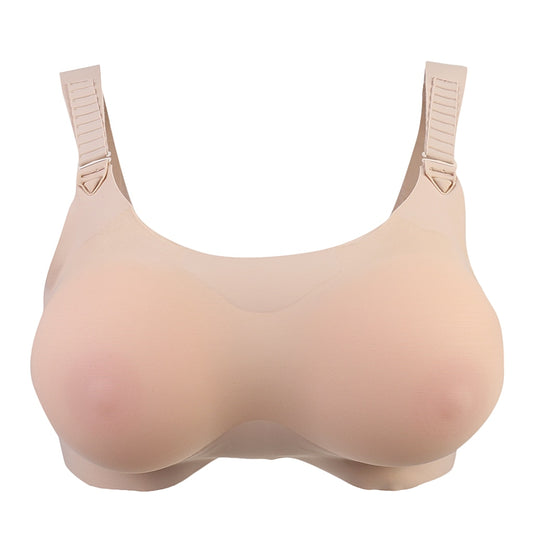
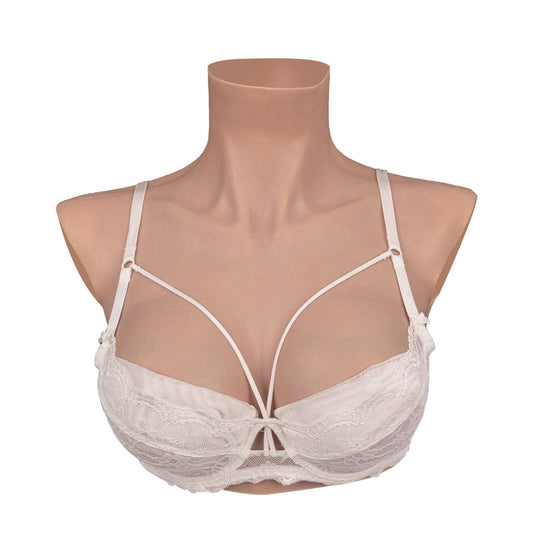
Breast forms are wearable inserts designed to create the appearance of a bust. For drag performers, they're a key tool for building a feminine silhouette — worn inside a bra, bodysuit, or costume to add shape and volume. They come in a wide range of sizes, shapes, and materials, with foam and silicone being the two most popular options in the drag community.
Breast forms are a cosmetic accessory. They're designed to change how your silhouette looks, not to serve any medical function. Read our Hip Pad & Padding Sizing Guide
Foam Breast Forms: Pros & Cons
What they are: Foam breast forms are made from lightweight foam material, typically shaped to mimic a natural bust profile. They're the most affordable and widely available option for drag performers.
Pros:
- Lightweight: Foam forms are significantly lighter than silicone, making them more comfortable for long performances
- Affordable: Foam is the budget-friendly entry point for breast forms — a great starting option for new queens
- Easy to care for: Spot clean with a damp cloth and mild soap; air dry completely
- Durable: Foam holds its shape well and is resistant to damage from regular use
- Breathable: Lighter and more breathable than silicone under hot stage lights
Cons:
- Less realistic look and feel compared to silicone
- May not move as naturally under costume fabric
- Can compress over time with heavy use
- Less convincing in thin or form-fitting fabrics
Silicone Breast Forms: Pros & Cons
What they are: Silicone breast forms are made from a soft, flexible silicone material that closely mimics the weight, movement, and feel of natural breast tissue. They're a popular choice for queens who prioritize a realistic appearance.
Pros:
- Realistic appearance: Silicone moves and drapes naturally under fabric, creating a more convincing silhouette
- Natural movement: The weight and flexibility of silicone creates natural movement during performance
- Better for thin fabrics: Silicone forms look more convincing under sheer, thin, or form-fitting costumes
- Photography-friendly: The natural drape of silicone reads better in photos and on camera
Cons:
- Heavier: Silicone forms are significantly heavier than foam, which can be noticeable during long performances
- More expensive: Silicone forms are a larger investment than foam alternatives
- Require more careful handling: Silicone can be damaged by sharp objects or improper storage
- Warmer to wear: The weight and density of silicone can feel warmer under stage lights
Side-by-Side Comparison
Realism: Silicone wins for a natural look and movement, especially in close-up situations or under thin fabrics. Foam is perfectly convincing from a distance on stage.
Comfort for long performances: Foam wins for lightweight comfort during extended wear. Silicone's weight can become noticeable over a long show.
Price: Foam is the more affordable option. Silicone is a larger investment but offers a more realistic result.
Photography and video: Silicone performs better in photos and on camera due to its natural drape and movement.
Care and maintenance: Both are relatively easy to care for. Foam is more forgiving; silicone requires more careful handling to avoid damage.
Best for beginners: Foam is the recommended starting point for new queens due to its affordability and ease of use.
How to Wear Breast Forms
Breast forms are typically worn inside a bra, bodysuit, or costume with built-in cups. Here are some tips for a secure, natural-looking result:
- Choose a bra or bodysuit with cups that match the size of your forms for the best fit
- Position forms so they sit naturally within the cup — centered and at the same height on both sides
- Use fashion tape or a bra with a snug band to keep forms in place during active performances
- Check your silhouette from multiple angles before performing to ensure even placement
Read: How to Start Drag on a Budget
Caring for Your Breast Forms
Foam forms: Spot clean with a damp cloth and mild soap. Allow to air dry completely before storing. Do not machine wash or submerge in water. Store in a cool, dry place away from direct sunlight.
Silicone forms: Wash gently with warm water and mild soap. Pat dry with a soft cloth — do not rub. Store in the original box or a soft pouch, away from sharp objects and direct sunlight. Avoid folding or compressing silicone forms during storage.
Shop the Breast Forms Collection →
Which Should You Choose?
If you're a new queen building your first look on a budget, start with foam. They're affordable, lightweight, and perfectly convincing on stage. As you develop your drag and invest in your wardrobe, silicone forms are a worthwhile upgrade for close-up performances, photography, and looks where realism matters. Read our Size-Inclusive Drag Guide
Many experienced queens own both — foam for long shows and rehearsals, silicone for photo shoots and intimate performances. There's no wrong answer; the best breast forms are the ones that help you feel most like the queen you want to be.
Frequently Asked Questions
What is the difference between foam and silicone breast forms for drag?
Foam breast forms are lightweight, affordable, and easy to care for — a great starting point for new queens. Silicone breast forms are heavier, more expensive, and offer a more realistic look and natural movement. The right choice depends on your budget, performance style, and the silhouette you want to create.
Are silicone breast forms better than foam for drag?
"Better" depends on your needs. Silicone offers a more realistic appearance and natural movement, making it a popular choice for photography and close-up performances. Foam is lighter, more affordable, and more comfortable for long shows. Many queens use both depending on the situation.
How do I keep breast forms in place during a performance?
Wear your forms inside a well-fitting bra or bodysuit with cups that match the size of your forms. Use fashion tape for extra security during active performances. A snug-fitting costume layer over the top also helps keep everything in place.
Can I wear breast forms all day?
Breast forms are designed for cosmetic use during performances and events. For extended wear, prioritize comfort and listen to your body. If you experience any discomfort, remove the forms and take a break. This post is for cosmetic guidance only — consult a healthcare professional for personal medical advice.