
Padded Shapewear for Drag: Complete 2026 Guide to Gaff Panties, Hip Pads & Hourglass Silhouettes
Updated June 2026 | By The Drag Queen Store Team
Your shapewear foundation is the invisible architecture of your drag look. Get it right and everything else falls into place — your padding stays put, your silhouette reads from every angle, and you can perform for hours without discomfort. Get it wrong and you're adjusting your hips between numbers. This is the complete 2026 guide to drag shapewear — from gaff selection to hourglass construction.
👙 Shop: Gaffs | Gaff Underwear | Hip & Butt Padding | Body Suits | Corsets
The Drag Shapewear Stack — Every Layer Explained
Layer 1: The Gaff
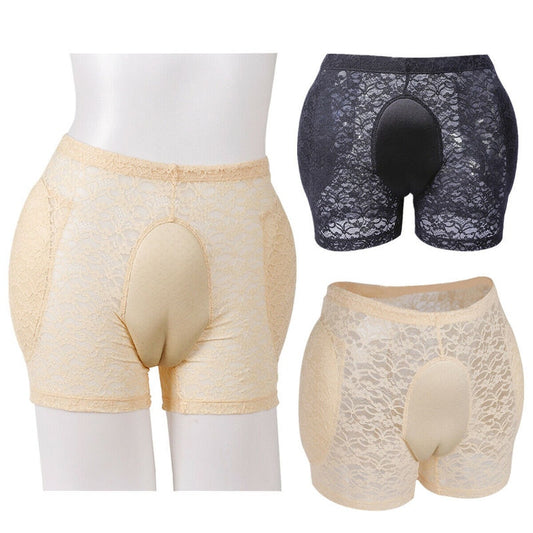
The gaff is your tucking foundation. It goes on first, directly against the skin, and creates the smooth front profile that makes everything else possible. There are two main types:
- Gaff panties: A tight, high-compression brief designed specifically for tucking. The most common choice for drag performers. Shop Gaffs.
- Gaff underwear: A slightly less compressive option, better for queens who need more comfort for long performances. Shop Gaff Underwear.
Layer 2: Padded Shapewear
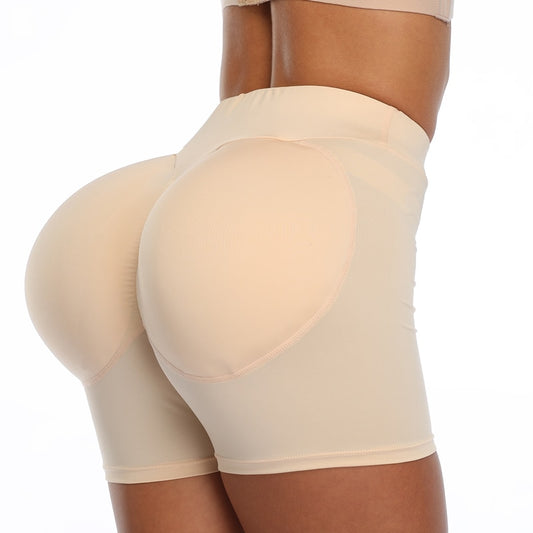
Padded shapewear sits over the gaff and holds your hip and butt pads in built-in pockets. This is the layer that creates your curves. Look for:
- Built-in side pockets for hip pads
- Rear pocket or padding for butt enhancement
- High waist construction for tummy smoothing
- Breathable fabric for long performances
Layer 3: Compression Body Suit
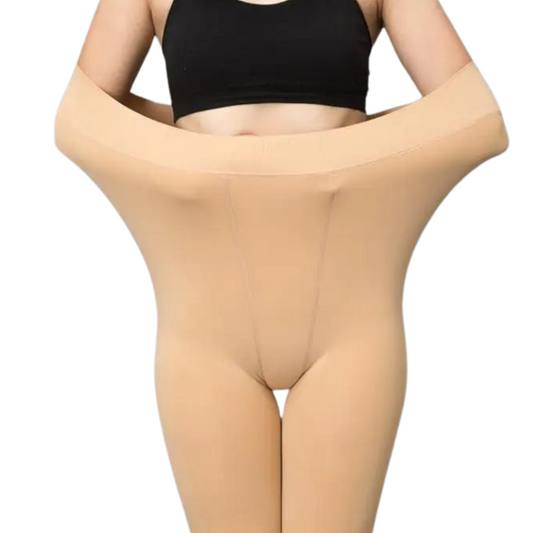
A full-body compression suit over your padded shapewear locks everything in place and smooths the entire silhouette from chest to thigh. Shop Body Suits.
Layer 4: Waist Cincher / Corset (Optional)
A corset or waist cincher over the body suit creates maximum waist definition and enhances the hourglass contrast. This is the layer that takes your silhouette from good to iconic. Shop Corsets.
Choosing the Right Gaff
| Factor | What to Look For |
|---|---|
| Compression level | High compression for tucking; medium for comfort-focused wear |
| Waistband | Wide, non-roll waistband for all-night comfort |
| Fabric | Nylon/spandex blend for stretch and recovery |
| Sizing | Size down for maximum compression; true-to-size for comfort |
| Coverage | Higher cut = more coverage and smoothing |
Building the Hourglass Silhouette
The hourglass is built on three measurements: bust, waist, and hips. The goal is to maximize the difference between waist and hips while creating a proportional bust. Here's how each layer contributes:
- Hip pads: Add 4–8 inches to hip circumference
- Waist cincher: Reduce waist circumference by 2–4 inches
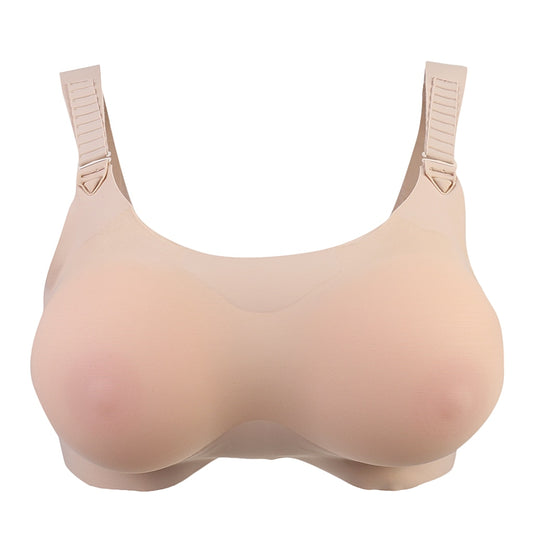
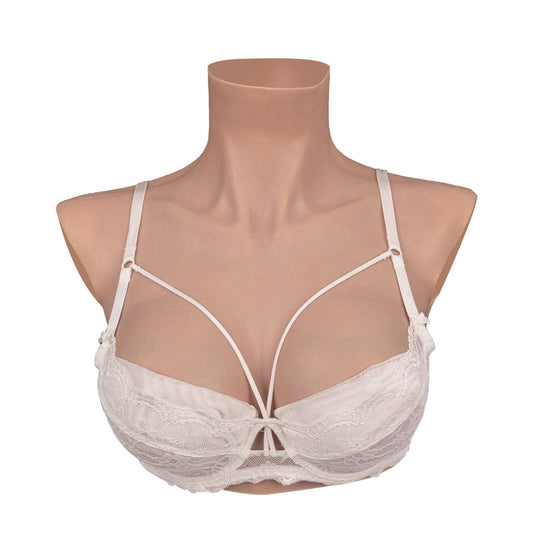
- Breast forms: Create proportional bust to balance the hips
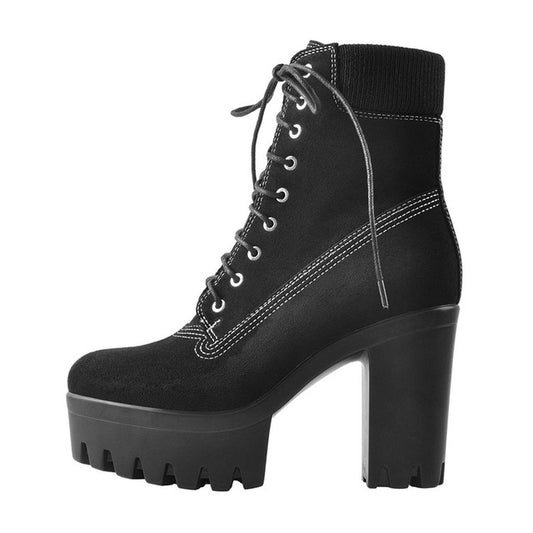
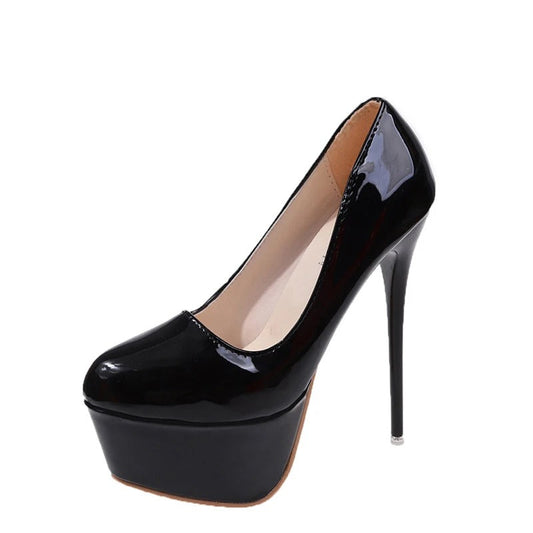
- High heels: Tilt the pelvis forward, naturally emphasizing the curve
The formula: Hips − Waist = Hourglass ratio. Most drag queens aim for a 10–14 inch difference for a dramatic stage silhouette.
Breathable Options for Long Performances
Heat is the enemy of comfort in shapewear. For performances over 2 hours, look for:
- Open-weave or mesh panels in non-visible areas
- Moisture-wicking fabric blends
- Lighter compression in the torso (save maximum compression for the waist)
- Avoid full latex or non-breathable materials for long shows
Dos & Don'ts of Drag Shapewear
| DO | DON'T |
|---|---|
| Layer in the correct order (gaff first) | Put shapewear on over padding without a gaff |
| Test your full look before performance night | Wear a new shapewear setup for the first time on stage |
| Size down for compression, up for comfort | Size down so much it restricts breathing |
| Use pocket shapewear for pads | Stuff pads into non-pocket shapewear |
| Hand wash and air dry | Machine wash or tumble dry shapewear |
🛒 Shop Shapewear & Foundation
- ✨ Shop Gaffs →
- ✨ Shop Gaff Underwear →
- ✨ Shop Hip & Butt Padding →
- ✨ Shop Body Suits →
- ✨ Shop Corsets →
- ✨ Shop All Padding →
Related: Best Hip & Butt Padding 2026 | Ultimate Drag Silhouette Guide