
How to Make Drag Hip Padding Look Natural
The goal of drag padding isn't to look padded — it's to look like you were born with those curves. Whether you want a subtle everyday silhouette or a dramatic stage look that still reads as natural, these techniques will help your padding disappear into your body.
"Natural-looking padding isn't about hiding curves. It's about making them look inevitable."
Why Padding Looks Unnatural (And How to Fix It)
Most unnatural-looking padding comes down to four problems:
- Wrong placement: Padding sitting too high, too low, or too far forward instead of at the natural hip point
- Visible edges: The edge of the pad creating a ridge or bump under the costume
- Wrong volume for the body: Too much padding for the frame, creating an exaggerated rather than proportional look
- No waist contrast: Wide hips without a narrower waist look like bulk, not curves
6 Techniques for Natural-Looking Padding
1. Get Placement Right
Hip padding should sit at the widest point of your natural hip — 7 to 9 inches below your natural waist. Too high and it looks like a shelf. Too low and it looks like a butt pad. Spend time adjusting placement before your first performance.
2. Create Waist Contrast
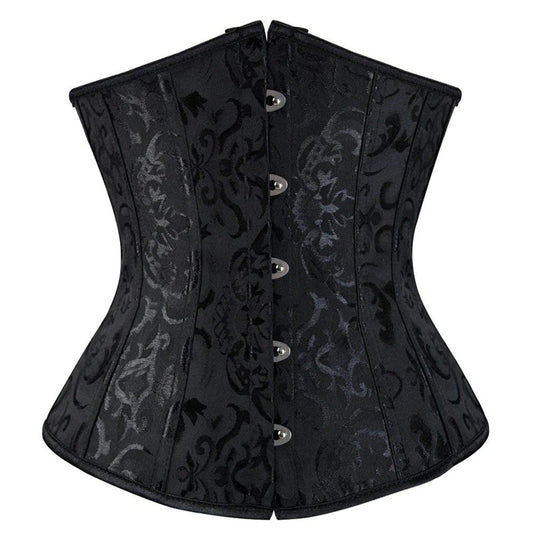
Wide hips only look natural when paired with a narrower waist. Without waist compression, padding looks like bulk. Add a high-waist shaper or cincher to create the contrast that makes hips read as curves rather than padding. See our waist snatching guide.
3. Eliminate Visible Edges
The edge of your padding must be invisible under your costume. Choose seamless shapewear with tapered edges rather than hard-cut foam. Silicone pads have naturally tapered edges that blend into the body. Test under bright light and from multiple angles before performing.
4. Match Volume to Your Frame
The right amount of padding is proportional to your frame. A petite queen adding 8 inches of hip width will look padded. The same width on a taller queen looks natural. Start with less than you think you need, then add more. You can always layer up.
5. Choose the Right Material
Silicone moves like natural body fat — it jiggles, shifts, and responds to movement the way real curves do. Foam holds its shape rigidly. For the most natural look, especially up close or on camera, silicone is the better choice. See our foam vs. silicone guide.
6. Move Naturally
The most convincing curves come from how you carry them. Practice walking, sitting, and moving in your padding before performing. Wide hips change your center of gravity — let your body adapt and move with the padding rather than against it.
Common Mistakes to Avoid
- Padding that sits too high on the hip (creates a "shelf" effect)
- No waist compression to contrast the hip width
- Visible seams or edges through tight costumes
- Too much volume for your frame or costume style
- Not testing the full look before show night
- Foam padding under sheer or mesh fabrics (always use silicone for sheer looks)
Products That Look Most Natural
Seamless construction, tapered edges, and realistic movement — our picks for the most natural-looking padding.

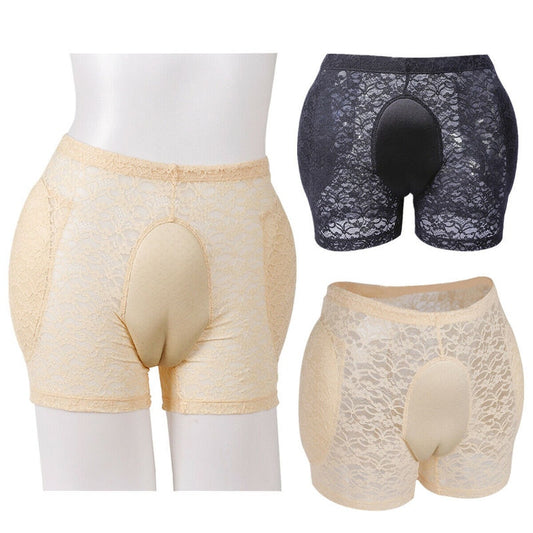
Drag Queen Essential: Padded Hip & Butt Enhancing Panties
Smooth, tapered padding with a natural profile. The most popular choice for everyday drag.
Shop Now
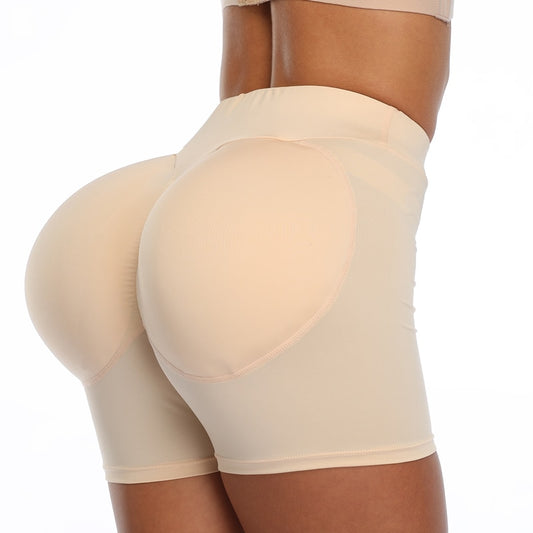
Snatched & Padded High Waist Body Shaper Shorts
Creates the waist-to-hip contrast that makes curves look natural rather than padded.
Shop Now
Silicone Butt Lifting Pants
Silicone moves like natural body fat. The most realistic-looking butt enhancement in our catalog.
Shop Now
Butt-Lifting Sponge Padded Panties
Lightweight sponge for a subtle, natural-looking lift. The most understated option in our range.
Shop NowReady to shop? Browse our full hip & butt padding collection.
Shop Hip & Butt Padding