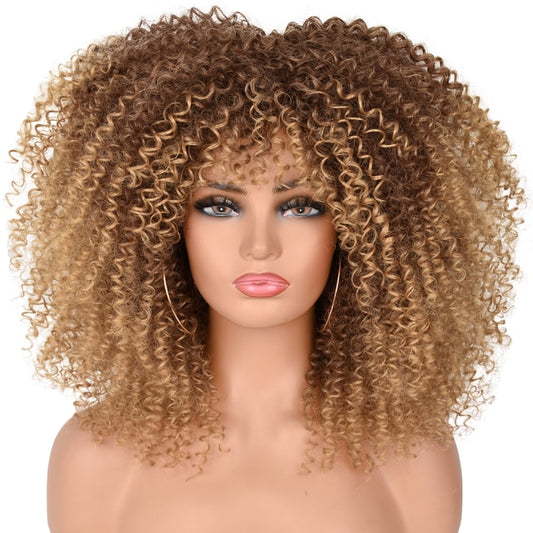

Choosing your first drag wig — or adding to your collection — means navigating one of the most common questions in the drag community: lace front or capless? Both have their place in a queen's wardrobe, and the right choice depends on your look, your budget, and how you perform. This guide breaks down everything you need to know to make the right call.
What Is a Lace Front Wig?
A lace front wig features a sheer lace panel along the front hairline. When applied correctly with wig adhesive or tape, this lace blends with your skin to create the illusion of a natural hairline — as if the hair is growing directly from your scalp. The rest of the cap is typically made from a more structured material.
Lace front wigs are the gold standard for drag performers who want a polished, professional finish that photographs beautifully and holds up under stage lighting. They require more preparation and application time than capless wigs, but the result is significantly more realistic. Read our full Lace Front Application Tutorial
What Is a Capless Wig?
A capless wig (also called an open-cap or basic cap wig) has a more traditional construction — the hair is sewn onto strips of material with open spaces between them, creating a lightweight, breathable cap. There's no lace front panel, so the hairline is more visible and less natural-looking up close.
Capless wigs are typically more affordable than lace fronts, easier to put on, and require no adhesive. They're a popular choice for queens on a budget, beginners who are still learning wig application, or performers who need a quick change between numbers.
Lace Front vs. Capless: A Side-by-Side Comparison
Hairline appearance: Lace fronts win here — the lace creates a virtually undetectable hairline when applied correctly. Capless wigs have a more visible hairline that can look less natural up close, though it reads fine from a distance on stage.
Application time: Capless wigs go on in seconds — just pull on and adjust. Lace fronts require prep, adhesive application, lace trimming, and blending, which can add 15–30 minutes to your getting-ready routine.
Price: Capless wigs are generally more affordable than lace fronts of comparable quality. If budget is a primary consideration, capless is the practical starting point.
Security during performance: Both styles can be secured with wig pins or adhesive. Lace fronts, when properly glued, tend to stay more securely in place during high-energy performances. Capless wigs may need additional pinning for active performances.
Breathability: Capless wigs are typically more breathable due to their open-cap construction — a real advantage for long performances under hot stage lights.
Photography and close-up appearances: Lace fronts are significantly better for photography, video, and any situation where you'll be seen up close. The natural hairline makes a noticeable difference in photos.
Versatility: Both styles come in a wide range of colors, lengths, and styles. Lace fronts often offer more styling options at the hairline (parting, pulling hair back, etc.).
When to Choose a Lace Front Wig
A lace front is the right choice when:
- You'll be photographed or filmed up close
- Your costume or look involves pulling hair back from the face
- You want a natural-looking hairline for a more polished, editorial look
- You're performing in an intimate venue where the audience will be close to the stage
- You have the time to do a proper application before your performance
When to Choose a Capless Wig
A capless wig is the right choice when:
- You're a beginner still learning wig application basics
- Budget is a primary consideration
- You need a quick change between numbers
- You're performing in a large venue where the audience is far from the stage
- You want a more breathable option for long performances
- You're building a large wig collection and need affordable options for multiple looks
Can You Have Both?
Absolutely — and most experienced queens do. A lace front wig for your signature look and close-up performances, and a collection of capless wigs for quick changes, rehearsals, and large-venue shows is a smart approach. As your collection grows, you'll naturally develop a sense of which style works best for each situation. Read: How to Start Drag on a Budget
Caring for Both Wig Types
Both lace front and capless wigs benefit from the same basic care routine: gentle detangling from ends to roots, infrequent washing with wig-specific products, air drying on a wig stand, and proper storage. The main difference is that lace front wigs require careful handling of the lace panel — avoid pulling or stretching the lace, and store lace fronts flat or on a wig head to maintain the lace's shape. Read our full Wig Care & Application Tutorial
Frequently Asked Questions
Is a lace front wig better than a capless wig for drag?
"Better" depends on your needs. Lace fronts offer a more natural hairline and are ideal for photography and close-up performances. Capless wigs are more affordable, easier to apply, and more breathable. Many queens use both depending on the situation.
How do I make a capless wig look more natural?
You can improve the appearance of a capless wig's hairline by using a wig grip band to push the wig back slightly, styling the front hair to cover the hairline, or using a headband or accessory as part of your look. Makeup along the hairline can also help blend the edge.
Do lace front wigs require glue?
Lace front wigs can be applied with wig glue, wig tape, or a combination of bobby pins and a wig grip band. Adhesive gives the most secure hold and the most natural-looking result, but tape or pins are a good option for those who prefer to avoid glue.
Which wig type is better for beginners?
Capless wigs are generally recommended for beginners because they're easier to apply and more forgiving. As you develop your skills and confidence, you can graduate to lace fronts for a more polished finish. Browse our full wig collection