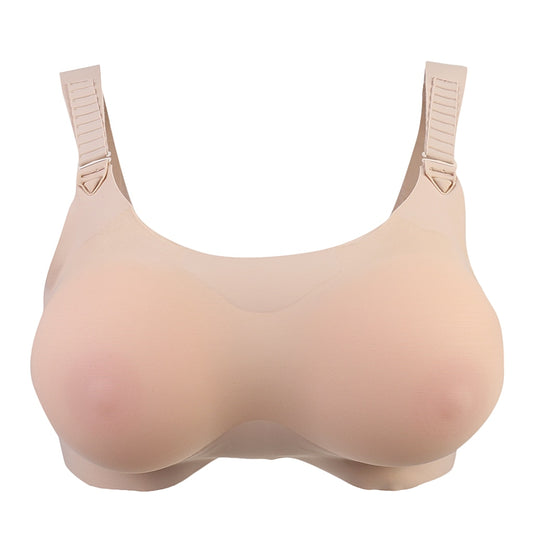

Disclaimer: The information in this post is for cosmetic and styling purposes only. Hip pads and padding garments are fashion accessories designed to alter the visual appearance of your silhouette. They are not medical devices. If you have any health concerns related to wearing shapewear or padding, please consult a qualified healthcare professional. Always prioritize your comfort and stop use if you experience any discomfort.
One of the most iconic elements of a drag silhouette is those gorgeous, exaggerated curves — and hip pads are the secret weapon behind them. Whether you're going for a subtle feminine shape or a full-on fantasy hourglass, the right hip pads can completely transform your look. This guide breaks down everything you need to know about drag queen hip pad sizing, styles, and layering.
Shop the Hip Pads & Padding Collection →
Why Hip Pads Matter for Drag
Drag is all about transformation, and your silhouette is the canvas. Hip pads add volume and shape to the hips and seat, creating the dramatic curves that make a drag look truly pop on stage. They work with your costume, not against it — the right pads disappear under fabric while giving you that unmistakable queen shape. Read: How to Start Drag on a Budget
Hip pads come in a wide range of styles, from subtle everyday shapers to theatrical foam pieces designed for maximum stage impact. Knowing which type suits your look is the first step to building your perfect silhouette.
Types of Hip Pads: A Style Breakdown
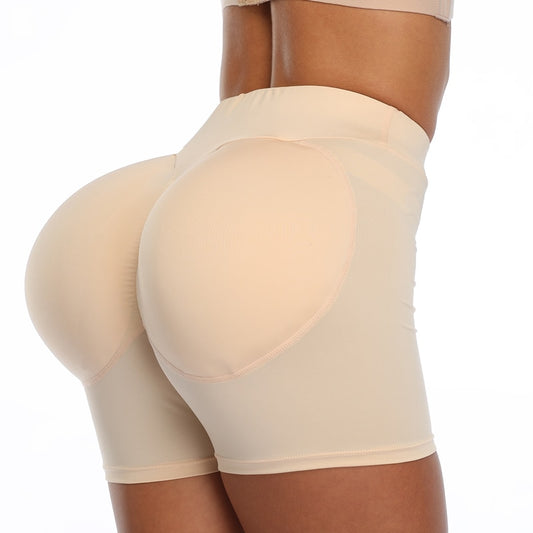
Foam hip pads are the most popular choice for drag performers. They're lightweight, durable, and available in a range of sizes from subtle to dramatic. Foam pads hold their shape well under costumes and are easy to care for. They're a fan-favorite for queens who perform regularly.
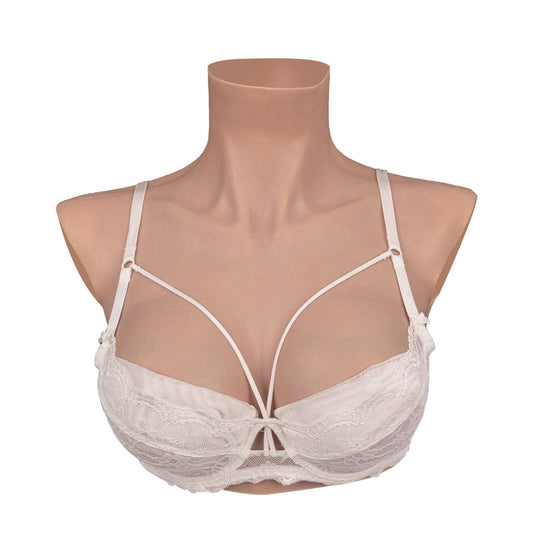
Silicone hip pads offer a more realistic look and feel, with a weight and movement that mimics natural body tissue. They're a popular choice for queens who prioritize a natural silhouette, though they tend to be heavier than foam alternatives.
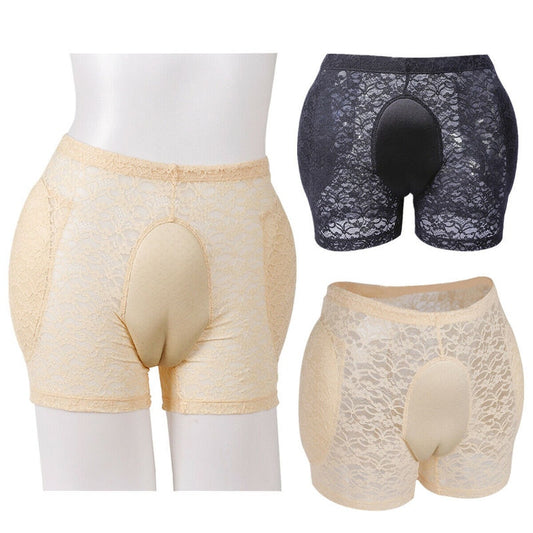
Built-in padding garments — like padded briefs and padded shapewear — combine a gaff or shaper with integrated hip and seat padding. These are a great all-in-one option for beginners or queens who want a streamlined foundation layer. Read our Tucking & Gaff Guide
Removable pad inserts can be placed inside specially designed shapewear or sewn into costumes for a custom fit. These offer flexibility — you can adjust the placement and amount of padding to suit each look.
How to Measure for Hip Pads
Getting the right size is crucial for a natural-looking result. Here's how to measure:
- Natural hip measurement: Measure around the fullest part of your hips, keeping the tape parallel to the floor
- Desired hip measurement: Decide how much volume you want to add — most queens add 4–10 inches for a theatrical look
- Waist measurement: Needed for built-in padding garments and padded shapewear
- Inseam/rise: Important for padded briefs to ensure the garment sits correctly on your body
Always check the size chart for each specific product, as sizing varies between styles and brands. When in doubt, size up — you can always adjust placement, but a too-small garment won't give you the coverage you need.
Layering Pads for Maximum Impact
Many experienced queens layer multiple padding pieces to build their ideal silhouette. A common approach is to start with a padded brief for a base layer of hip and seat volume, then add removable foam inserts for extra drama in specific areas. Read our Size-Inclusive Drag Guide
When layering, keep these tips in mind:
- Start with your base layer (padded brief or shapewear) and build up gradually
- Check your silhouette in a full-length mirror from all angles before adding more padding
- Consider your costume fabric — thicker fabrics hide padding seams better than thin or stretchy materials
- Secure removable pads with fashion tape or by sewing them into a costume lining for performances
Hip Pad Care & Maintenance
Proper care extends the life of your padding pieces significantly:
- Foam pads: Spot clean with a damp cloth and mild soap. Air dry completely before storing. Do not machine wash or submerge in water.
- Silicone pads: Wash gently with warm water and mild soap. Pat dry with a soft cloth. Store flat in a cool, dry place away from direct sunlight.
- Padded garments: Follow the care label instructions. Most can be hand washed in cool water and laid flat to dry.
Choosing Pads for Your Drag Style
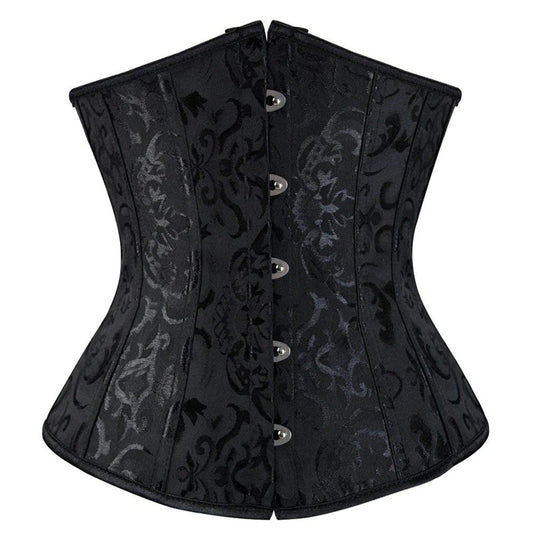
Your drag persona should guide your padding choices. A glamour queen going for a classic Hollywood silhouette might opt for moderate hip pads paired with a waist cincher for an hourglass effect. A campy, theatrical queen might go for maximum volume foam pads for a more exaggerated, cartoonish shape. A fashion-forward queen might prefer subtle silicone pads for a sleek, editorial look.
There's no wrong answer — the best hip pads are the ones that help you feel most like the queen you want to be.
Shop the Hip Pads & Padding Collection →
Frequently Asked Questions
What size hip pads should I get for drag?
Start by measuring your natural hips and deciding how much volume you want to add. Most queens performing on stage opt for pads that add 4–8 inches of hip width for a visible effect under costumes. Always check the size chart for the specific product you're purchasing.
How do I keep hip pads in place during a performance?
Built-in padded garments stay in place naturally. For removable inserts, use fashion tape to secure them to your skin or costume lining, or sew them into a dedicated costume layer. A snug-fitting base layer also helps keep everything in position.
Can I wear hip pads under any costume?
Hip pads work best under costumes with some structure or thickness. Very thin, stretchy fabrics may show the edges of foam pads. If you're wearing a sheer or lightweight costume, silicone pads or built-in padded garments tend to give a smoother result.
Are hip pads comfortable to wear for long performances?
Comfort varies by style and individual. Foam pads are generally lightweight and comfortable for extended wear. Silicone pads are heavier and may feel more noticeable over time. Always do a trial run at home before wearing new padding to a performance to make sure you're comfortable.