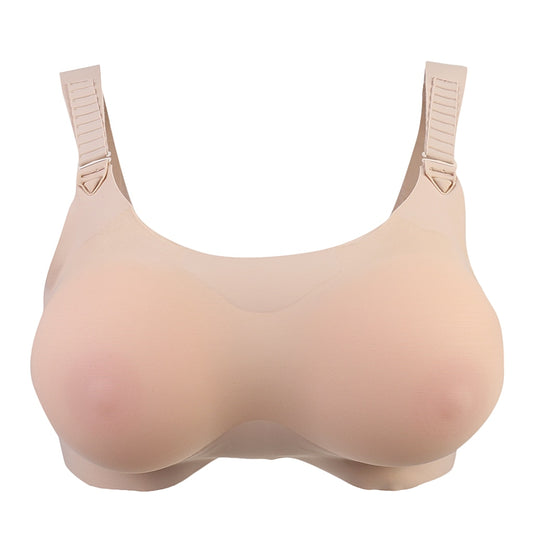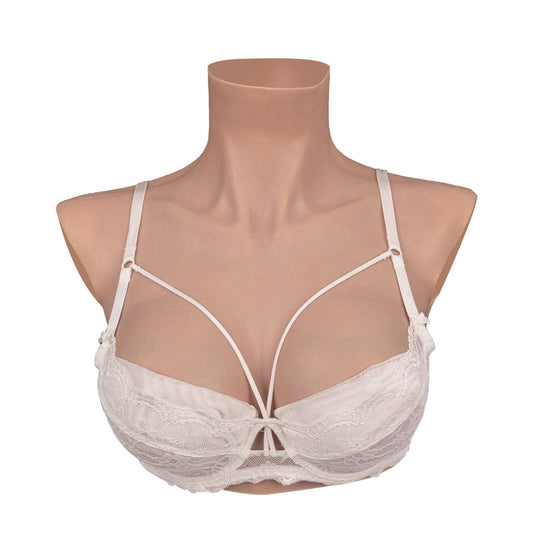

Silicone or foam? It's the first question most drag queens and crossdressers face when buying breast forms — and the answer isn't the same for everyone. The right choice depends on how you'll be wearing them, for how long, in what conditions, and what look you're going for.
This guide breaks down the real differences between silicone and foam breast forms so you can make the right call for your drag, your body, and your budget. For the complete picture on all breast form types, sizing, and application, see our Complete Guide to Non-Medical Breast Forms.
The Short Answer
- Choose silicone if realism, movement, and stage performance are your priority.
- Choose foam if comfort, breathability, and long wear are your priority.
- Many performers own both — silicone for shows and photos, foam for rehearsals and long days.
Silicone Breast Forms: The Full Picture
What Makes Silicone Different
Medical-grade silicone is the closest material to natural breast tissue available in non-medical forms. It has weight, density, and movement that foam simply cannot replicate. When you walk, silicone forms jiggle. When you dance, they bounce. When you stand still, they settle naturally. This is what makes them read as real from the back row under stage lighting.
Silicone Pros
- Unmatched realism: Natural movement, weight, and drape that reads as real from a distance
- Skin texture: Premium silicone forms have textured surfaces that blend under sheer fabrics and fishnets
- Durability: With proper care, quality silicone forms last 3–5+ years
- Waterproof: Silicone is fully waterproof — safe for swimwear and water-based performances
- Nipple detail: Realistic nipple detail that shows through thin fabrics for maximum realism
- Adhesive compatible: Silicone bonds well with medical-grade adhesive for bra-free wear
Silicone Cons
- Heat retention: Silicone retains body heat — after 2–3 hours in a hot venue, forms can become uncomfortably warm
- Weight: Heavier than foam — larger cups (G+) require secure support and can be tiring over long periods
- Price: Quality silicone forms cost more than foam, though they last significantly longer
- Care requirements: Require gentle washing, powdering, and careful storage to maintain quality
Shop Silicone Forms
A Cup · B Cup · C Cup · D Cup · E Cup · F Cup · G Cup · H Cup · S Cup
Also available: Waterdrop shape · Round shape · High Neck Breastplate · Silicone Suit
Foam Breast Forms: The Full Picture
What Makes Foam Different
Foam forms are dramatically lighter than silicone and don't retain heat. They're the practical choice when comfort and breathability matter more than maximum realism — long rehearsals, all-day events, hot venues, or everyday wear where you want a feminine silhouette without the weight and warmth of silicone.
Foam Pros
- Lightweight: A fraction of the weight of silicone — ideal for all-day wear or performers who need to move freely
- Breathable: Foam doesn't retain heat, making it far more comfortable in hot venues or during extended wear
- Affordable: Generally less expensive than silicone — a good entry point for beginners
- Comfortable for long wear: The go-to choice for marathon shows (4+ hours) where comfort outweighs realism
- Low maintenance: Easier to care for than silicone
Foam Cons
- Less realistic movement: Foam doesn't jiggle or bounce the way silicone does — the difference is noticeable up close and in photos
- Edge visibility: Foam edges can be more visible under thin or sheer fabrics
- Not waterproof: Foam absorbs water and should not be submerged
- Shorter lifespan: Foam degrades faster than silicone — typically 1–2 years with regular use
- Less adhesive-friendly: Foam doesn't bond as reliably with medical-grade adhesive as silicone
Side-by-Side Comparison
| Factor | Silicone | Foam |
|---|---|---|
| Realism & movement | Excellent — natural jiggle and drape | Moderate — minimal movement |
| Weight | Heavy | Very light |
| Breathability | Low — retains heat | High — stays cool |
| Durability | 3–5+ years with care | 1–2 years |
| Waterproof | Yes | No |
| Adhesive compatible | Yes | Limited |
| Edge blending | Better — feathered edges on premium forms | Can be more visible |
| Price | Higher upfront, better long-term value | Lower upfront |
| Best for | Stage, photos, high realism, swimwear | Long wear, hot venues, rehearsals, beginners |
What About Gel-Fill and Cotton Forms?
Gel-Fill
A middle ground between silicone and foam. Softer than foam with slightly better movement, lighter than silicone. Often found in budget-friendly forms. Decent for everyday wear but doesn't match silicone for stage performance. Not as durable as silicone long-term.
Cotton-Fill & Silk-Cotton
The lightest and most breathable option. Very comfortable for extended wear but minimal realistic movement. Best for casual, everyday use where comfort is the priority and stage performance isn't a factor.
Which Is Right for Your Drag?
Choose Silicone If You:
- Perform on stage and need forms that read as real from a distance
- Do drag photography or video content where close-up realism matters
- Want forms that last 3–5+ years with proper care
- Wear swimwear or perform in water-adjacent environments
- Want to use adhesive for bra-free looks
Choose Foam If You:
- Perform in very hot venues for 3+ hours where heat retention is a real concern
- Need forms for all-day wear at events, conventions, or everyday use
- Are a beginner still learning sizing and placement before investing in silicone
- Want a lightweight option for rehearsals while saving silicone for shows
- Are on a tight budget and need a starting point
Consider Owning Both If You:
Many experienced drag performers own both silicone and foam forms. Silicone for shows, photos, and high-realism looks. Foam for rehearsals, long events, and hot-weather performances. The investment in both pays off in comfort and performance across different contexts.
The Budget Question: Is Cheaper Silicone Worth It?
Budget silicone forms exist, but the quality difference is real. Lower-grade silicone has less natural movement, smoother (less skin-like) texture, thicker edges that are harder to blend, and shorter lifespan. If you're performing regularly, investing in quality silicone once is better value than replacing budget forms repeatedly.
That said, a mid-range silicone form is a smart starting point for beginners still learning sizing and placement — you can upgrade once you know exactly what you need.
Care Comparison
| Care Step | Silicone | Foam |
|---|---|---|
| Cleaning | Mild soap, lukewarm water, pat dry | Mild soap, lukewarm water, pat dry |
| Powdering | Required — prevents tackiness | Not required |
| Storage | Original box, away from heat and sharp objects | Original box or soft pouch |
| Water exposure | Fully waterproof | Avoid submersion |
| Lifespan | 3–5+ years | 1–2 years |
Ready to Choose?
Browse our full collection by material and size:
- All Silicone Breast Forms — Shop by Size
- Waterdrop Silicone Breast Forms
- Round Silicone Breast Forms
- High Neck Breastplate
- Silicone Suit Collection
- Pocket Bra for Breast Forms
For the complete guide to breast forms including sizing for AMAB bodies, application methods, performance tips, and care, read our Complete Breast Forms Guide.