How to Set Drag Makeup So It Lasts All Night
How to Set Drag Makeup So It Lasts All Night
A beautiful drag face that melts before the second number is a beautiful drag face that failed. Setting is the final — and most critical — stage of drag makeup application. It's what separates a face that lasts from one that doesn't.
Drag makeup faces conditions that everyday makeup never encounters: stage heat, performance sweat, physical movement, hours of wear, and the unforgiving scrutiny of photography and video. Setting your makeup correctly means it survives all of it.
This guide covers every setting technique: loose powder, pressed powder, baking, setting spray, sweat-proofing, and how to touch up mid-performance without starting over.
Why Setting Matters More in Drag
Drag makeup is applied in more layers than everyday makeup. More layers means more product, more weight, and more potential for movement, separation, and breakdown. Without proper setting at each stage, those layers work against each other.
Setting does three things:
- Locks layers in place — Powder absorbs oils and creates a barrier between cream layers, preventing them from mixing and sliding.
- Extends wear — Set makeup resists sweat, heat, and touch far better than unset makeup.
- Creates a surface for the next layer — Powder over cream products gives the next layer of product something to grip.
Setting Products: What They Are and When to Use Them
Loose Translucent Powder
The workhorse of drag makeup setting. Applied with a powder puff by pressing — not dusting — into the skin. Used throughout the makeup process to set each cream layer before the next is applied.
Best for: Setting foundation, concealer, color corrector, and cream contour. Baking. General all-over setting.
Pressed Powder
A compact, portable version of setting powder. Less effective than loose powder for initial setting but ideal for touch-ups during a performance.
Best for: Mid-performance touch-ups. Carrying in a kit bag.
HD / Finely-Milled Powder
Ultra-fine powder that sets without adding visible texture. Reduces the risk of flashback (white cast) in photographs.
Best for: Performers who are being photographed or filmed. Over areas where texture is a concern.
Setting Spray
A liquid spray applied over finished makeup to melt powder layers together, add flexibility, and lock everything in place. The final step of any drag face.
Best for: Final setting over a completed face. Refreshing makeup mid-performance. Preventing the powdery, dry look that can develop after heavy powder application.
Choose waterproof formulas for performance wear.
How to Set Your Base: Step by Step
Step 1: Set after every cream layer
Every time you apply a cream product — color corrector, foundation, concealer, cream contour — set it with a press of loose powder before applying the next product. This prevents layers from mixing, sliding, and breaking down.
Use a powder puff and press firmly. Don't dust or sweep — pressing drives the powder into the product and creates a proper bond.
Step 2: Set the full base before eye makeup
Once your base is complete — foundation, concealer, initial contour — do a full press of powder over the entire face before starting eye makeup. This protects your base from eyeshadow fallout and gives you a clean surface to work on.
Step 3: Bake high-movement areas
Baking is the technique of applying a thick, generous layer of loose powder to an area and leaving it to sit for 5–10 minutes before dusting away the excess. The heat from your skin activates the powder and sets the makeup underneath hard.
Bake these areas:
- Under the eyes (prevents concealer creasing)
- The beard area (locks in heavy coverage)
- The T-zone (controls oil and shine)
- The forehead (prevents foundation sliding)
Apply baking powder with a damp sponge for maximum adhesion. Leave for 5–10 minutes while you do other parts of your makeup, then dust away the excess with a fluffy brush.
Read more: How to Bake Drag Makeup →
Step 4: Set powder contour and blush
After applying powder contour and blush, lightly press a clean powder puff over the areas to lock them in place. This prevents them from moving or fading during a performance.
Step 5: Final setting spray
Once your face is complete — all makeup applied, lashes on, lips done — apply your setting spray as the final step.
- Hold the bottle 25–30cm from your face
- Mist in an X and T pattern across the face
- Let it dry naturally — do not fan, touch, or blot
- Apply a second coat for extra longevity in hot or high-sweat environments
How to Sweat-Proof Drag Makeup
Sweat is the primary enemy of drag makeup longevity. The key is building a base that resists moisture from the start, not trying to fix it after it breaks down.
- Use a mattifying primer — Controls oil production before makeup goes on.
- Set every cream layer — Unset cream products are the first to break down under sweat.
- Bake high-sweat areas — The T-zone, forehead, and beard area are the most vulnerable.
- Use waterproof formulas — Waterproof concealer, waterproof liner, and waterproof setting spray all add significant resistance.
- Avoid touching your face — Every touch transfers oil and breaks down the powder barrier.
- Carry blotting papers — For emergency oil control without disturbing makeup.
Read more: How to Sweat-Proof Drag Makeup →
How to Survive Hot Stage Lights
Stage lighting generates significant heat that accelerates makeup breakdown. The same principles apply as sweat-proofing, with additional considerations:
- Apply a second coat of setting spray immediately before going on stage
- Use a long-wear, heat-resistant foundation formula
- Avoid heavy gloss on the lips — it migrates under heat
- Powder the lips lightly before applying lipstick for extra longevity
- Keep a pressed powder and setting spray in your kit for between-number touch-ups
Read more: How to Make Drag Makeup Survive Hot Stage Lights →
How to Prevent Cracking
Cracking happens when too much product is applied without adequate setting, or when the makeup dries out and loses flexibility.
- Keep all layers thin — build coverage gradually
- Set between every cream layer
- Don't over-powder — excessive powder dries out the makeup and causes cracking
- Use setting spray to add flexibility back into heavily powdered areas
- Avoid applying powder over areas that are still wet or tacky
Read more: How to Keep Drag Makeup from Cracking →
How to Touch Up Drag Makeup During a Performance
Even perfectly set makeup may need attention during a long performance. The goal of a touch-up is to reset without disturbing what's underneath.
- Blot first — Use a blotting paper to remove excess oil or sweat without disturbing powder.
- Press powder — Press a pressed powder compact over any shiny or broken-down areas. Don't rub.
- Spot-fix with concealer — For any areas where coverage has broken down, press a small amount of concealer over the area and set immediately with powder.
- Re-apply setting spray — A light mist of setting spray over the touched-up areas unifies everything and adds another layer of protection.
- Re-line lips if needed — Lip liner is the fastest way to restore a lip look that has faded or feathered.
Read more: How to Touch Up Drag Makeup During a Performance →
Setting Drag Makeup: Quick Reference
- ✅ Set every cream layer with powder before applying the next
- ✅ Press powder — never dust or sweep
- ✅ Bake under eyes, beard area, T-zone, and forehead
- ✅ Use waterproof formulas for performance wear
- ✅ Apply setting spray as the absolute final step
- ✅ Carry pressed powder and setting spray for touch-ups
- ✅ Don't touch your face during a performance
Shop Setting Products
Shop Setting Powders →
Shop All Drag Makeup →
Next in the Drag Makeup Academy
- How to Bake Drag Makeup →
- How to Sweat-Proof Drag Makeup →
- How to Make Drag Makeup Survive Hot Stage Lights →
- How to Keep Drag Makeup from Cracking →
- How to Touch Up Drag Makeup During a Performance →
- Next Pillar: The Ultimate Drag Makeup Kit →
- ← Back to Drag Eye Makeup Guide
- ← Back to The Drag Makeup Academy
Explore...
View all-
“SLAY ALL DAY” Ultra-Realistic Silicone Breast Plate Bra – Drag Queen Essential (C • D • E Cup) Instant Iconic Cleavage • No Tape • No Glue • Just GAG-WORTHY Curves!
Regular price From £150.00 GBPRegular priceUnit price per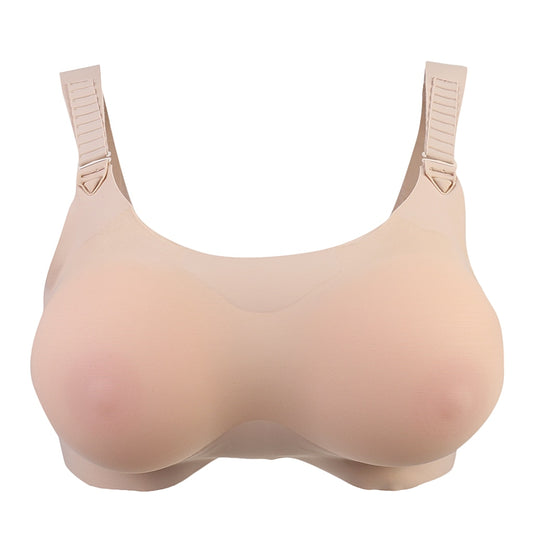
-
Dora Jar Fierce Lace-Up Platform Boots: Slay the Stage in Suede Glory!
Regular price £138.00 GBPRegular priceUnit price per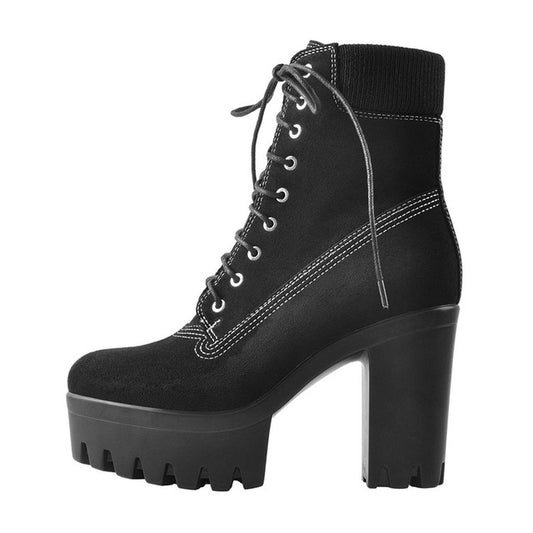
-
Cleo Patrix Afro Kinky Wig – 16" | Drag Queen Wig | 150% Density
Regular price £111.00 GBPRegular priceUnit price per£111.00 GBPSale price £111.00 GBP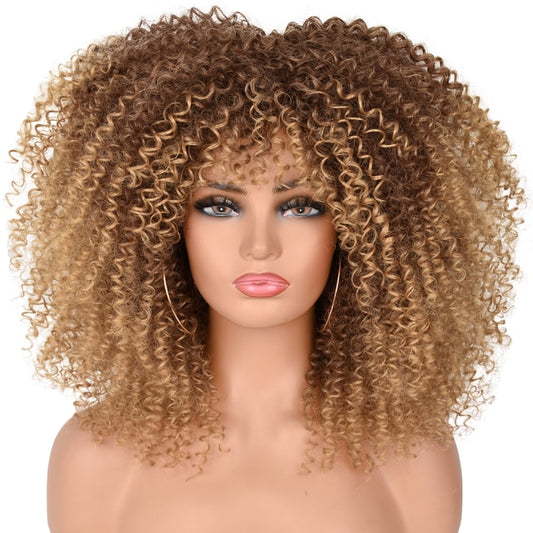
-
Gena Rocity Platform Pumps – Born to Serve, Built to Slay
Regular price £127.00 GBPRegular priceUnit price per£153.00 GBPSale price £127.00 GBP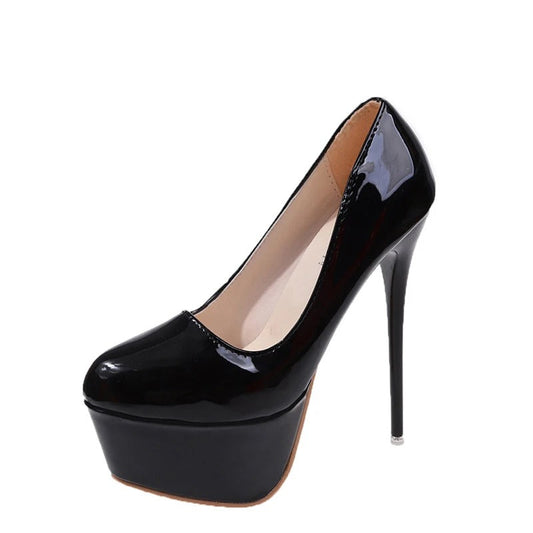 Sale
Sale -
Feminine & Flawless: Hiding Gaff Panties with Hip Pads
Regular price £75.00 GBPRegular priceUnit price per£97.00 GBPSale price £75.00 GBP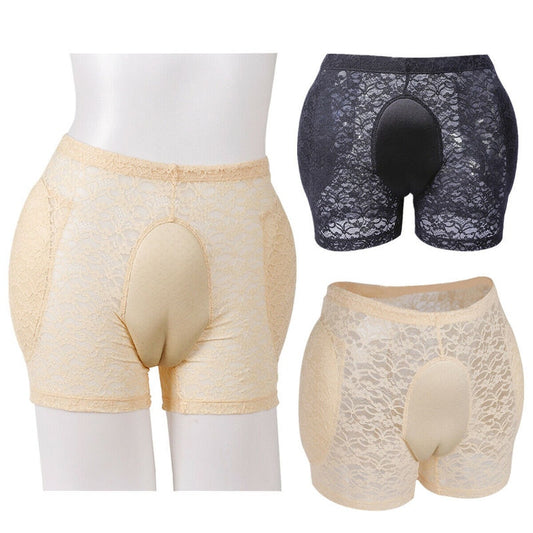 Sale
Sale -
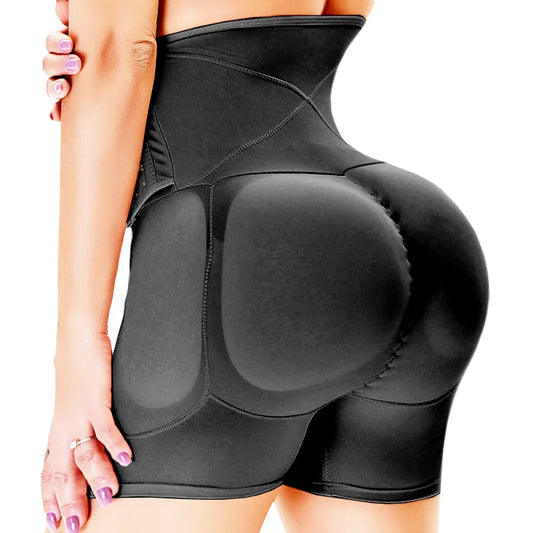
Drag Queen Essential: Padded Hip & Butt Enhancing Panties for Killer Curves & Hourglass Perfection!
Regular price £118.00 GBPRegular priceUnit price per£96.00 GBPSale price £118.00 GBP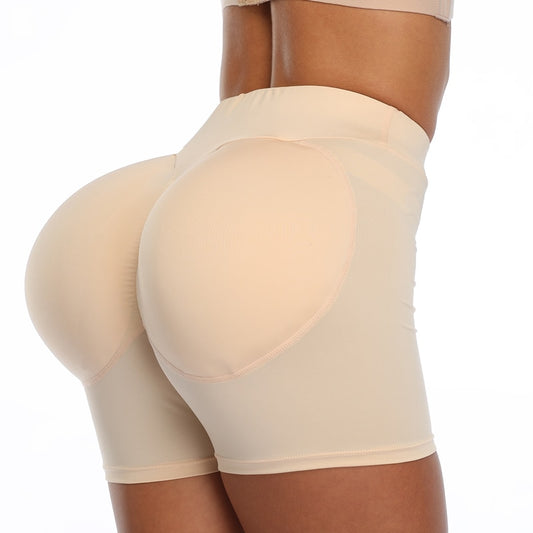
-
Thick Plus Size Tear Resistant Super Elastic Pantyhose
Regular price £39.00 GBPRegular priceUnit price per£69.00 GBPSale price £39.00 GBP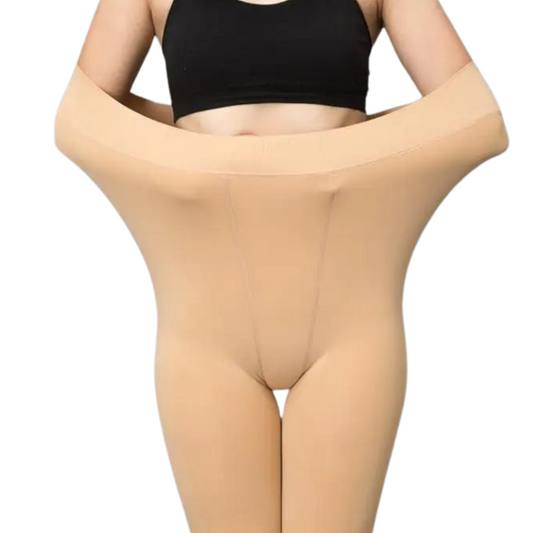 Sale
Sale -
Amie Thyst Silicone Breast Forms
Regular price From £203.00 GBPRegular priceUnit price per£283.00 GBPSale price From £203.00 GBP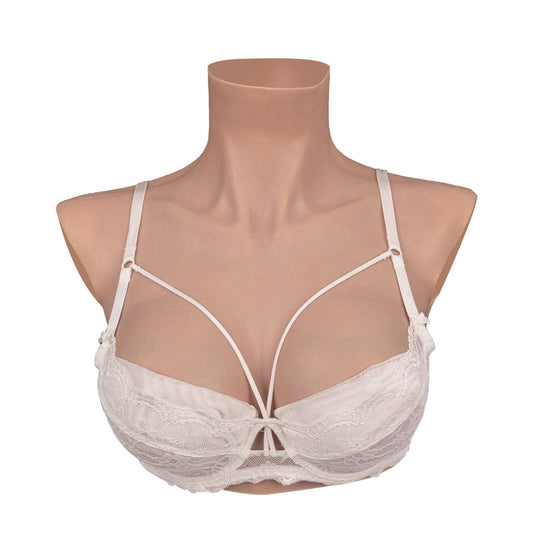 Sale
Sale -
Glossy Mary Jane Block Heels – Candy Colors for Sissies & Cuties
Regular price From £115.00 GBPRegular priceUnit price per£188.00 GBPSale price From £115.00 GBP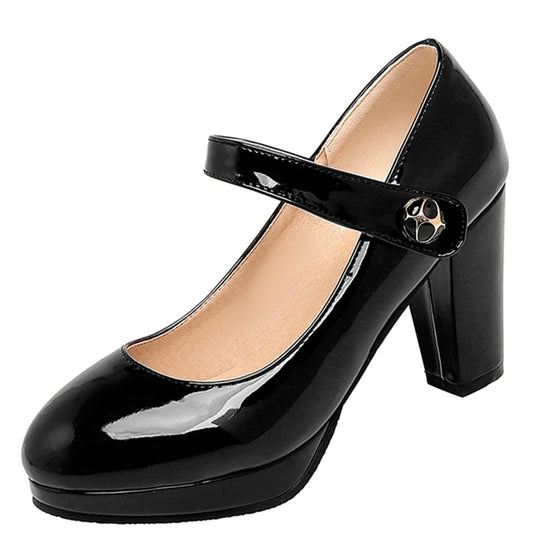 Sale
Sale -
Queen Leticia Underbust Satin Corset
Regular price £54.00 GBPRegular priceUnit price per£50.00 GBPSale price £54.00 GBP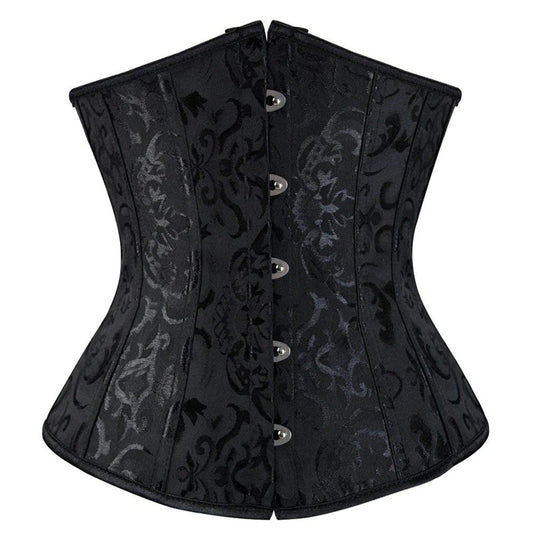
-
Lace Bra & Breast Form Set
Regular price £134.00 GBPRegular priceUnit price per£111.00 GBPSale price £134.00 GBP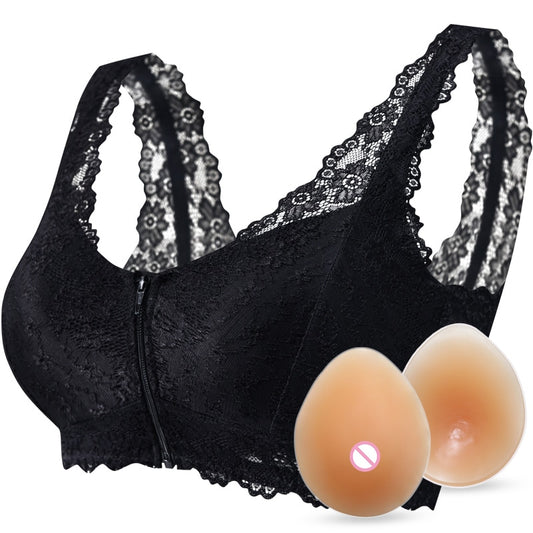
-
Slay the Stage with Our Fierce Drag Queen Booty & Hip Enhancer Shorts!
Regular price £105.00 GBPSale price £105.00 GBPUnit price per