Drag Makeup for Beginners: Your Complete First-Time Guide
Drag Makeup for Beginners: Your Complete First-Time Guide
You've decided to paint your first face. Maybe you have a performance coming up. Maybe you've been watching queens on stage and thinking: I want to do that. Maybe you just want to see what you look like with a full beat.
Whatever brought you here, this guide covers everything you need to know to start doing drag makeup — what to buy, what order to apply it, what mistakes to avoid, and how to actually get better.
Drag makeup is a skill. Nobody's first face is their best face. The goal right now is to start, learn, and build from there.
What Is Drag Makeup?
Drag makeup is theatrical, transformative makeup designed to be seen — from a stage, under lights, in photographs, or simply in a room where you want to command attention.
It uses the same products as everyday makeup but applies them with more intensity, more layering, and more deliberate technique. The goal isn't to look like you're wearing makeup. The goal is to create a face — a character, an aesthetic, a persona — that is entirely intentional.
Drag makeup can be:
- Hyper-feminine glamour
- Androgynous and editorial
- Masculine (drag king)
- Surreal, horror, fantasy or camp
- Anything you want it to be
There are no rules. There are only techniques — and once you know them, you can break them however you like.
What You Need Before You Start
Your First Drag Makeup Kit
Don't buy everything at once. Start with the essentials and build from there as you learn what your face needs.
Skin prep
Moisturizer, primer. These create the surface your makeup sits on. Skip them and your makeup will separate and slide.
Brow blocking supplies
A glue stick (Elmer's purple washable glue stick is the classic beginner choice), setting powder, and a flat brush. You'll use these to flatten and cover your natural brows so you can draw new ones wherever you want them.
Color corrector
If you have beard shadow or dark discoloration, an orange or peach color corrector neutralizes it before foundation goes on. This is one of the most important products for anyone with facial hair.
Full-coverage foundation
Not your everyday foundation. You want something with serious coverage — cream or full-coverage liquid. This is the base everything else is built on.
Concealer
A shade or two lighter than your foundation. Used for highlighting, brightening under the eyes, and adding dimension.
Setting powder
Loose translucent powder. Essential for locking everything in place and preventing creasing and sliding.
Contour
A cool-toned matte powder or cream a few shades darker than your skin. Used to reshape your face — slim the nose, define the cheekbones, sharpen the jaw.
Eyeshadow
Start with a neutral palette that includes matte transition shades and at least one or two deeper shades for definition.
Eyeliner
Black gel or liquid liner for definition. White liner for the waterline to open up the eyes.
False lashes
Drag lashes are bigger and more dramatic than everyday lashes. Start with a medium-volume style before going full stacked.
Lip liner and lipstick
Lip liner lets you reshape and overline your lips. Choose a lipstick in a bold color — drag lips are meant to be seen.
Setting spray
The final step. Locks everything in place and helps your makeup survive a full performance.
Read the full kit guide: The Ultimate Drag Makeup Kit Checklist →
The Correct Order to Apply Drag Makeup
Order matters. Each step creates the foundation for the next. Apply things in the wrong sequence and you'll be fighting your own face all night.
- Skin prep — Moisturize, let it absorb, apply primer
- Block your brows — Flatten and cover your natural brows
- Color correct — Neutralize beard shadow or discoloration
- Foundation — Build your full-coverage base
- Concealer — Highlight and add additional coverage
- Set with powder — Lock the base in place
- Contour — Reshape and define your face
- Highlight — Add dimension and lift
- Eyes — Eyeshadow, liner, lashes
- Brows — Draw your new brow shape
- Lips — Liner, lipstick, gloss
- Set everything — Bake, powder, setting spray
Read the full guide: The Complete Step-by-Step Order for Applying Drag Makeup →
The Most Important Beginner Techniques
Eyebrow Blocking
Blocking your brows is the technique that makes drag makeup look like drag makeup. It flattens your natural brow hair and creates a smooth surface so you can draw a completely new brow shape — higher, more arched, more dramatic — wherever you want it.
Most beginners use a washable glue stick applied in thin layers, each dried and pressed flat before the next. It takes practice to get right, but it's one of the most transformative skills you'll learn.
Learn the full technique: How to Block Your Eyebrows for Drag →
Beard Shadow Coverage
If you have facial hair or beard shadow, covering it is one of the biggest challenges in drag makeup. The blue-grey undertone of beard shadow shows through foundation if you don't neutralize it first.
The solution is color correction — applying an orange or peach corrector over the shadow before foundation. This cancels the grey tone and lets your foundation sit cleanly on top.
Learn the full technique: How to Cover Beard Shadow for Drag Makeup →
Contouring
Drag contouring uses shadow to reshape the face. You're not just adding definition — you're creating the illusion of a completely different bone structure. Slimmer nose. Higher cheekbones. Sharper jaw. Smaller forehead.
Start with a cool-toned matte powder and a fluffy brush. Apply it where shadows naturally fall — under the cheekbones, along the sides of the nose, under the jaw — and blend until there are no harsh edges.
Learn the full technique: The Complete Drag Contouring Guide →
Making Makeup Last
A drag face needs to survive heat, sweat, movement and time. The key is layering — powder over cream products, setting spray throughout, and baking (applying a thick layer of powder and letting it sit) in areas that tend to crease.
Learn the full technique: How to Make Drag Makeup Last All Night →
10 Beginner Drag Makeup Mistakes (and How to Avoid Them)
- Skipping skin prep — Makeup applied to dry, unprimed skin separates and slides. Always moisturize and prime first.
- Using too little product — Drag makeup requires more product than everyday makeup. Don't be timid with your foundation or powder.
- Applying everything too fast — Let each layer dry before adding the next, especially when blocking brows or layering cream products.
- Blending contour too high — Contour placed too high on the cheek looks muddy. Keep it below the cheekbone.
- Skipping color correction — If you have beard shadow, foundation alone won't cover it. You need to color correct first.
- Not setting your base — Powder is what locks everything in place. Skip it and your makeup will move.
- Applying lashes too early — Lashes go on after eyeshadow and liner, not before.
- Overlining lips without liner — Lipstick bleeds without a liner to anchor it. Always line first.
- Expecting perfection on the first try — Your first face is a learning experience. Paint, photograph, analyze, improve.
- Not practicing before a performance — Always do at least one full practice run before you perform in a look.
Read more: 15 Drag Makeup Mistakes Beginners Make →
How to Get Better at Drag Makeup
The only way to improve is to paint. Regularly. Even when you're not performing.
- Practice full faces, not just individual techniques. The whole face is a system — each element affects the others.
- Photograph every look. Drag makeup is designed to be seen in photos and under lights. What looks good in the mirror doesn't always translate to camera, and vice versa.
- Study one technique at a time. Don't try to master everything at once. Spend a session just on brows. Then just on contour. Then just on eyes.
- Watch other artists. Study how experienced queens construct their faces. Notice the order, the products, the placement.
- Remove and repaint. If something isn't working, take it off and try again. That's how you learn.
Read more: How to Practice Drag Makeup and Improve Faster →
Build Your First Drag Makeup Kit
Ready to shop? Start with the essentials and build from there.
Shop Drag Queen Makeup →
Shop Foundations →
Shop False Lashes →
Shop Eyeshadows →
Shop Lip Products →
Shop Setting Powders →
Next in the Drag Makeup Academy
You've got the overview. Now go deeper on the techniques that matter most.
Explore...
View all-
“SLAY ALL DAY” Ultra-Realistic Silicone Breast Plate Bra – Drag Queen Essential (C • D • E Cup) Instant Iconic Cleavage • No Tape • No Glue • Just GAG-WORTHY Curves!
Regular price From ¥31,400 JPYRegular priceUnit price per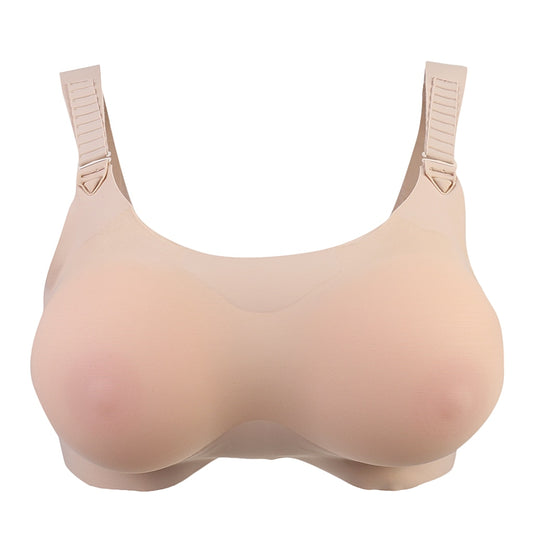
-
Dora Jar Fierce Lace-Up Platform Boots: Slay the Stage in Suede Glory!
Regular price ¥28,900 JPYRegular priceUnit price per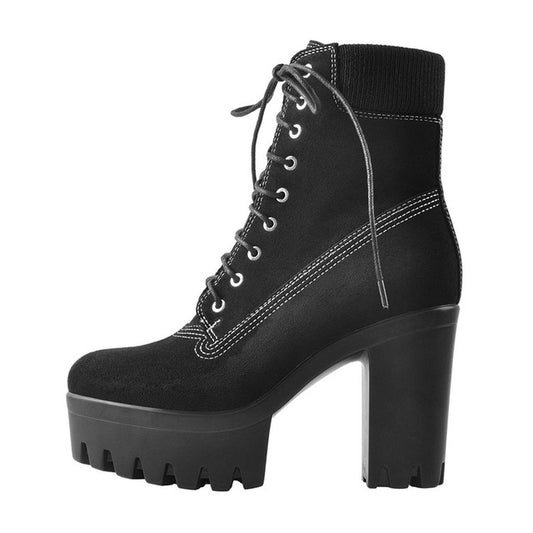
-
Cleo Patrix Afro Kinky Wig – 16" | Drag Queen Wig | 150% Density
Regular price ¥23,300 JPYRegular priceUnit price per¥23,300 JPYSale price ¥23,300 JPY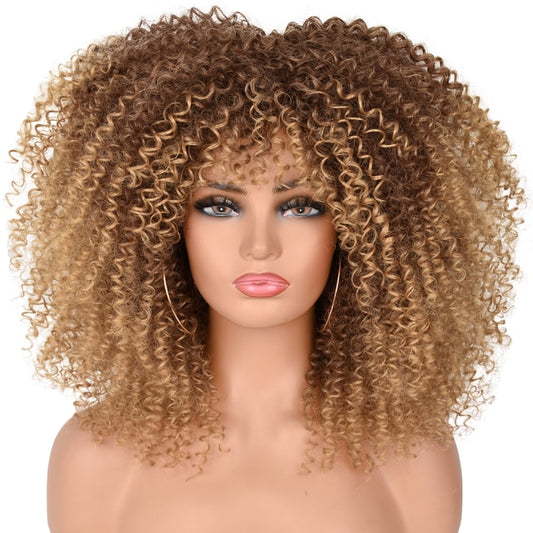
-
Gena Rocity Platform Pumps – Born to Serve, Built to Slay
Regular price ¥26,500 JPYRegular priceUnit price per¥32,000 JPYSale price ¥26,500 JPY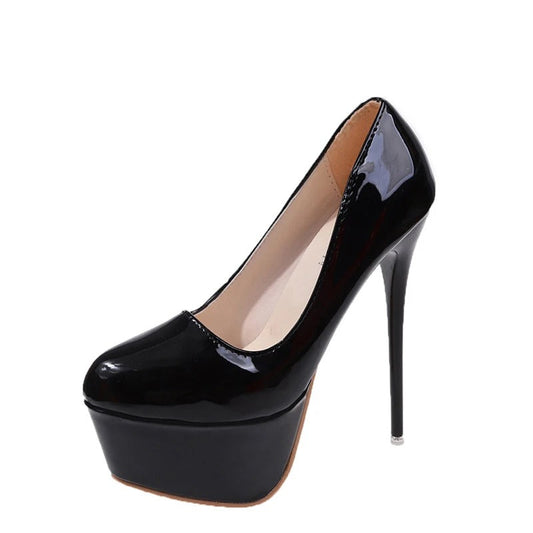 Sale
Sale -
Feminine & Flawless: Hiding Gaff Panties with Hip Pads
Regular price ¥15,800 JPYRegular priceUnit price per¥20,200 JPYSale price ¥15,800 JPY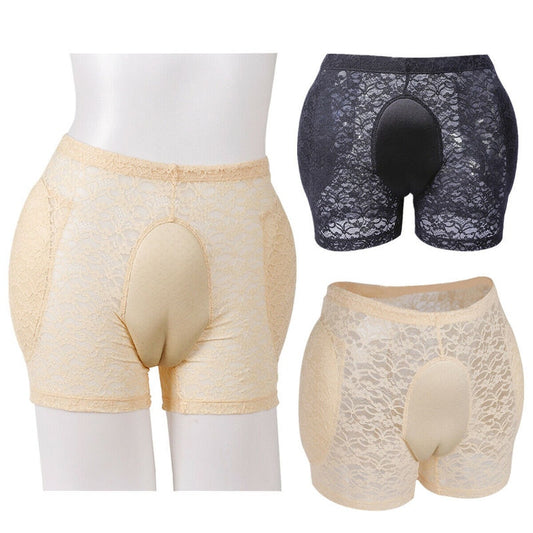 Sale
Sale -
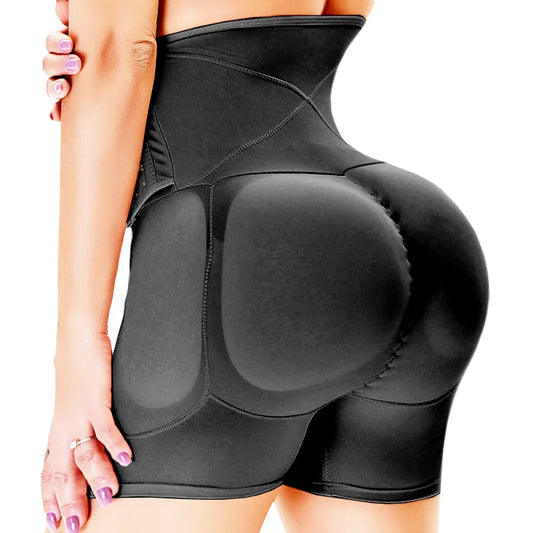
Drag Queen Essential: Padded Hip & Butt Enhancing Panties for Killer Curves & Hourglass Perfection!
Regular price ¥24,800 JPYRegular priceUnit price per¥20,100 JPYSale price ¥24,800 JPY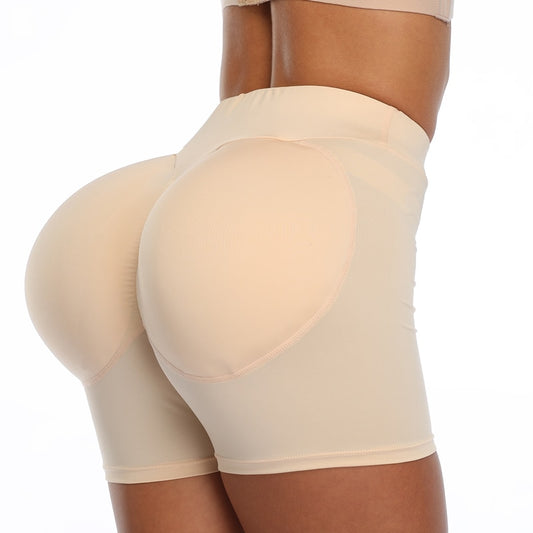
-
Thick Plus Size Tear Resistant Super Elastic Pantyhose
Regular price ¥8,100 JPYRegular priceUnit price per¥14,300 JPYSale price ¥8,100 JPY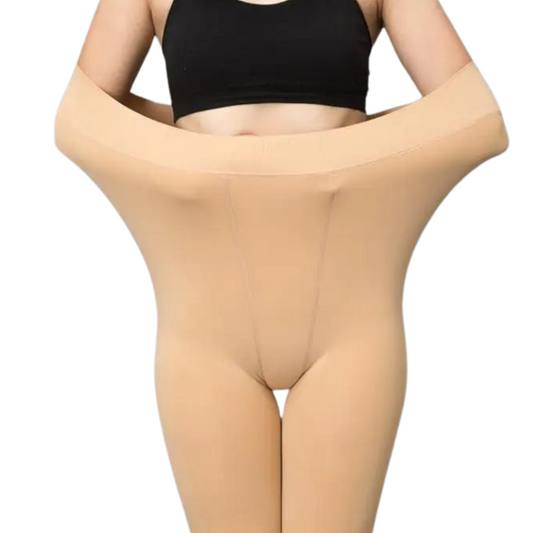 Sale
Sale -
Amie Thyst Silicone Breast Forms
Regular price From ¥42,600 JPYRegular priceUnit price per¥59,400 JPYSale price From ¥42,600 JPY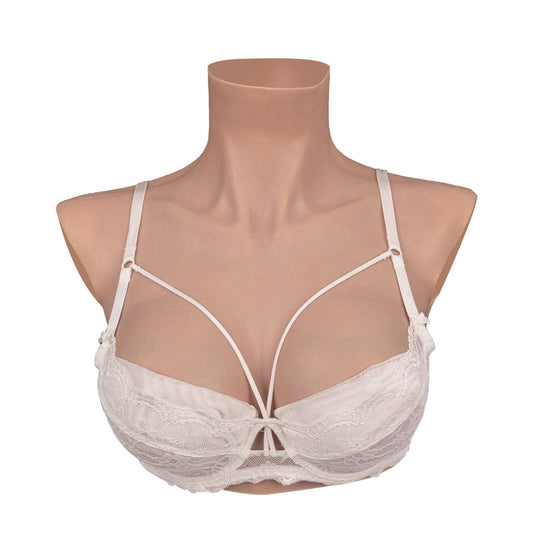 Sale
Sale -
Glossy Mary Jane Block Heels – Candy Colors for Sissies & Cuties
Regular price From ¥24,100 JPYRegular priceUnit price per¥39,400 JPYSale price From ¥24,100 JPY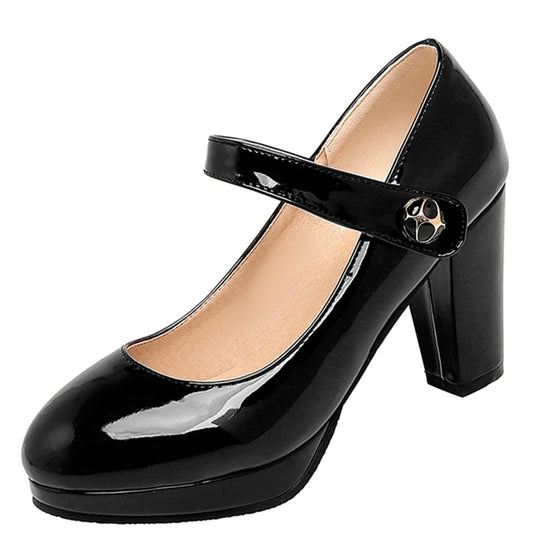 Sale
Sale -
Queen Leticia Underbust Satin Corset
Regular price ¥11,200 JPYRegular priceUnit price per¥10,500 JPYSale price ¥11,200 JPY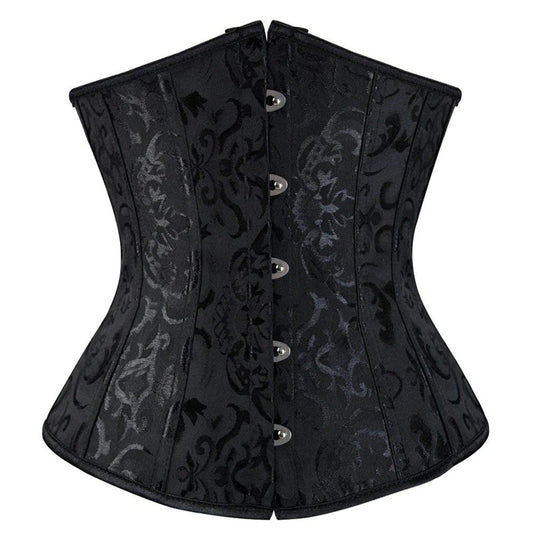
-
Lace Bra & Breast Form Set
Regular price ¥28,100 JPYRegular priceUnit price per¥23,300 JPYSale price ¥28,100 JPY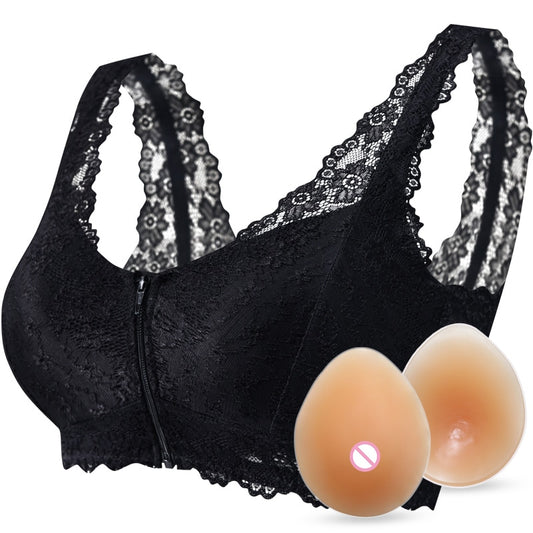
-
Slay the Stage with Our Fierce Drag Queen Booty & Hip Enhancer Shorts!
Regular price ¥21,900 JPYSale price ¥21,900 JPYUnit price per