
Wig density is one of the most overlooked decisions in drag — and one of the most impactful. Get it right and your wig looks full, glamorous, and stage-ready. Get it wrong and even a beautiful wig can look flat, overwhelming, or off. This guide breaks down exactly what density means, how it interacts with drag makeup, and which density is right for your performance style.
For the full foundation guide, start here: The Ultimate Guide to Human Hair Wigs for Drag Queens
What Is Wig Density?
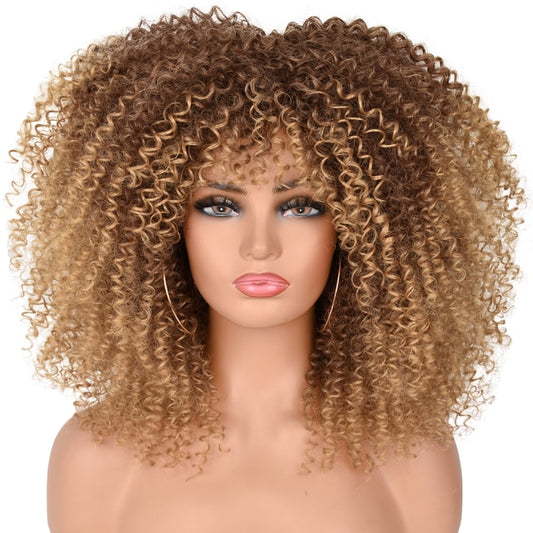
Wig density refers to how much hair is sewn onto the wig cap, expressed as a percentage of a full head of natural hair. 100% density mimics a natural, everyday hair density. 150% is noticeably fuller. 200% is very thick and voluminous. The higher the percentage, the more hair — and the heavier and more dramatic the wig.
Most human hair wigs for drag are available in 130%, 150%, 180%, and 200%+ density options. Each has a different visual impact and a different relationship with drag makeup.
How Density Interacts with Drag Makeup
Drag makeup is bold, structured, and designed to be read from a distance. Heavy contouring, dramatic eye looks, and strong lip colors create a face that commands attention. Your wig density needs to be in proportion to that makeup — too light and the wig looks thin against a bold face; too heavy and the wig overwhelms the makeup and creates an unbalanced look.
The general principle: the more dramatic your makeup, the more density your wig needs to balance it. A full glam drag face with heavy contouring and dramatic eyes needs at least 150% density to hold its own. A softer, more editorial look can work with 130% without looking underpowered.
Density Guide by Performance Context
130% density is natural-looking and lightweight. It's the right choice for editorial or fashion-forward drag where the look is intentionally understated, or for queens who prefer a lighter wig for comfort during long performances. Under stage lighting, 130% can look thin — it's best suited for photo work and close-up contexts rather than large stages.
150% density is the most popular choice for drag. It's full enough to look glamorous and read well on stage without being so heavy that it becomes uncomfortable or overwhelming. For most queens, 150% is the sweet spot — it works for club, stage, pageant, and editorial contexts and pairs well with most drag makeup styles.
180% density is the performance standard for queens who want maximum volume. It reads beautifully from the back of a large venue, holds styles longer, and creates a silhouette that commands attention. The trade-off is weight — a 180% density wig is noticeably heavier than a 150%, which matters for queens performing long sets or doing quick changes.
200%+ density is for queens who want extreme volume — big, theatrical, larger-than-life hair that makes a statement before you've done anything else. It's the right choice for pageant evening gown categories, theatrical productions, and editorial looks where the wig is the centerpiece of the look. At this density, the wig is heavy and requires a secure installation. For installation options, read: How to Secure a Drag Wig Without Glue
Density by Wig Length
Density and length interact in important ways. A 180% density wig at 16 inches looks very different from a 180% density wig at 30 inches — the longer the wig, the more the weight of the hair pulls it down, which can reduce the apparent volume. For very long wigs (28 inches and above), consider going up one density level to maintain the fullness you want. For a full guide to length choices, read: The Best Wig Lengths for Club, Pageant, and Stage Performance and 30-Inch vs 40-Inch Drag Wigs: What's Actually Worth It?
Density by Texture
Texture also affects how density reads visually. Curly and wavy textures naturally appear fuller than straight textures at the same density — the curl pattern adds volume that straight hair doesn't have. This means a 150% curly wig can look as full as a 180% straight wig. For a full guide to textures, read: The Best Wig Textures for Drag
Quick Reference: Density by Drag Style
| Drag Style | Recommended Density | Why |
|---|---|---|
| Club / bar performance | 150–180% | Reads well under colored lighting, manageable for movement |
| Theater / stage | 180% | Reads from the back of the house, holds styles through a full show |
| Pageant | 180–200% | Maximum visual impact for judging and presentation |
| Editorial / photo | 130–150% | Camera captures detail; natural density looks more polished up close |
| Beginner / everyday | 150% | Versatile, manageable, works for most looks |
| Quick change | 150% | Lighter weight, easier to manage between numbers |
The Hairline and Density
One area where density matters in a specific way is the hairline. A natural hairline has lower density at the edges — the hair is finer and sparser near the face. Most quality human hair wigs come pre-plucked, which means the density at the hairline has already been reduced to mimic this natural pattern. For a full guide to achieving a natural hairline, read: How to Get a Natural Hairline in Drag
Caring for High-Density Wigs
Higher density wigs require more thorough washing and conditioning — there's simply more hair to work through. Take extra time during the washing process to ensure conditioner reaches all the way through the hair, and allow extra drying time. For the complete care routine, read: The Ultimate Drag Wig Care Routine
Shop by Density
Every human hair wig in our collection is available with density specifications so you can choose exactly what you need for your performance style. Browse our full collection: Human Hair Wigs for Drag Queens →