How to Cover Beard Shadow for Drag Makeup
How to Cover Beard Shadow for Drag Makeup
Beard shadow is one of the most common challenges in drag makeup — and one of the most misunderstood. Many beginners pile on foundation hoping it will disappear. It doesn't. The blue-grey undertone of beard shadow requires a specific approach: color correction first, then coverage on top.
Once you understand the science behind it, covering beard shadow becomes a reliable, repeatable process rather than a guessing game.
This guide covers everything: why beard shadow shows through makeup, how to color correct it, how to layer foundation for full coverage, how to avoid a grey cast, and how to make it last all night without cracking.
Why Beard Shadow Shows Through Makeup
Beard shadow isn't just dark skin — it's the blue-grey undertone of hair follicles sitting just beneath the surface of the skin. Foundation is designed to even out skin tone, but it can't neutralize a strong color cast. It just sits on top of it, and the grey shows through.
The solution is color theory. To cancel a blue-grey tone, you need its opposite on the color wheel: orange or peach. A color corrector in the right shade applied before foundation neutralizes the shadow so your foundation can do its job cleanly.
What You Need
- Orange or peach color corrector — Orange for deeper skin tones, peach or salmon for lighter skin tones. The corrector needs to be pigmented enough to actually neutralize the shadow.
- Full-coverage foundation — Not everyday foundation. You need a high-coverage formula — cream, full-coverage liquid, or theatrical foundation.
- Full-coverage concealer — For additional coverage and to brighten the area after foundation.
- Loose setting powder — Translucent or skin-toned. Essential for locking coverage in place.
- Damp beauty sponge — For pressing (not dragging) products into the skin.
- Setting spray — Waterproof formula for performance wear.
Step-by-Step: How to Cover Beard Shadow
Step 1: Shave as close as possible
The closer the shave, the less shadow you're working with. Shave immediately before applying makeup where possible. Some performers shave twice — once with the grain, once against — for the closest result. Follow with a gentle, alcohol-free toner to close pores and remove any residue.
Step 2: Moisturize and prime — but carefully
Apply a light, fast-absorbing moisturizer and let it fully absorb before priming. Use a pore-filling or mattifying primer over the beard area. Heavy or oily moisturizers will cause your coverage to slide. Let everything absorb fully before moving on.
Step 3: Apply color corrector
Using a damp sponge or flat brush, apply your orange or peach color corrector over the entire beard shadow area — typically the upper lip, chin, jaw, and cheeks. Press it into the skin rather than dragging. You want full, even coverage with no gaps.
The corrector will look intense at this stage. That's correct. It will be covered by foundation.
Set the corrector lightly with a dusting of translucent powder before moving on. This prevents it from mixing with your foundation and turning muddy.
Step 4: Apply full-coverage foundation
Using a damp sponge, press — don't drag — your full-coverage foundation over the corrected area and blend it into the rest of your face. Build coverage in thin layers rather than applying one thick layer. Thick single layers are more likely to crack and look cakey.
Check in natural light or under a ring light. If shadow is still visible, add another thin layer.
Step 5: Apply concealer
Apply a full-coverage concealer over the beard area for additional coverage and to brighten the skin tone. Press it in with a sponge. This layer also helps unify the beard area with the rest of your base.
Step 6: Set immediately with powder
Press loose setting powder firmly into the coverage using a powder puff. Don't dust — press. This locks the layers in place and prevents them from moving, separating, or cracking.
For extra longevity, bake the beard area: apply a generous layer of powder, leave it for 5–10 minutes, then dust away the excess. This sets the coverage hard and helps it survive sweat and heat.
Step 7: Finish with setting spray
Once your full face is complete, apply a waterproof setting spray over everything. Hold the bottle 30cm from your face and mist evenly. Let it dry naturally — don't fan or touch.
How to Avoid a Grey Cast
A grey cast after coverage usually means one of three things:
- The corrector shade was wrong — If you used peach on a deeper skin tone, it may not have fully neutralized the shadow. Go more orange.
- The corrector wasn't set before foundation — Without a powder barrier, the corrector mixes with the foundation and the grey bleeds through. Always set the corrector before applying foundation.
- The foundation has a cool or grey undertone — Some foundations pull grey on certain skin tones. Test your foundation in natural light before committing to it for a performance.
- Flash photography — Heavy powder can cause flashback (a white or grey cast in photos). Use HD or finely-milled powders if you're being photographed.
Read more: How to Stop Beard Shadow from Looking Grey →
How to Make Beard Coverage Last All Night
Beard coverage is the area most likely to break down during a performance because it's over a high-movement area (the mouth) and often the thickest part of your base.
- Layer thin — Multiple thin layers last longer than one thick layer
- Set between layers — Powder between each layer of product locks it in place
- Bake — Baking the beard area adds significant longevity
- Use waterproof products — Especially setting spray and concealer
- Avoid touching your face — Every touch transfers oil and breaks down coverage
- Carry a powder for touch-ups — A pressed powder compact lets you quickly reset any areas that break down mid-performance
Read more: How to Make Beard Coverage Last →
Why Beard Coverage Cracks — and How to Fix It
Cracking happens when too much product is applied without adequate setting between layers, or when the layers dry out and lose flexibility.
Prevention:
- Keep layers thin
- Set with powder between every layer
- Don't over-powder — too much powder can dry out the coverage and cause cracking
- Use a setting spray to add flexibility back into heavily powdered areas
Mid-performance fix:
- Gently press a damp sponge over the cracked area to soften it
- Apply a thin layer of concealer over the crack and press flat
- Set with powder and a light mist of setting spray
Read more: Why Beard Coverage Cracks and How to Fix It →
Beard Coverage Quick Reference
- ✅ Shave as close as possible immediately before makeup
- ✅ Use orange corrector (deeper skin) or peach corrector (lighter skin)
- ✅ Set the corrector with powder before applying foundation
- ✅ Press — don't drag — all products into the skin
- ✅ Build coverage in thin layers
- ✅ Bake the beard area for maximum longevity
- ✅ Finish with waterproof setting spray
Next in the Drag Makeup Academy
Explore...
View all-
“SLAY ALL DAY” Ultra-Realistic Silicone Breast Plate Bra – Drag Queen Essential (C • D • E Cup) Instant Iconic Cleavage • No Tape • No Glue • Just GAG-WORTHY Curves!
Regular price From HK$1,554.00 HKDRegular priceUnit price per
-
Dora Jar Fierce Lace-Up Platform Boots: Slay the Stage in Suede Glory!
Regular price HK$1,434.00 HKDRegular priceUnit price per
-
Cleo Patrix Afro Kinky Wig – 16" | Drag Queen Wig | 150% Density
Regular price HK$1,156.00 HKDRegular priceUnit price perHK$1,156.00 HKDSale price HK$1,156.00 HKD
-
Gena Rocity Platform Pumps – Born to Serve, Built to Slay
Regular price HK$1,315.00 HKDRegular priceUnit price perHK$1,586.00 HKDSale price HK$1,315.00 HKD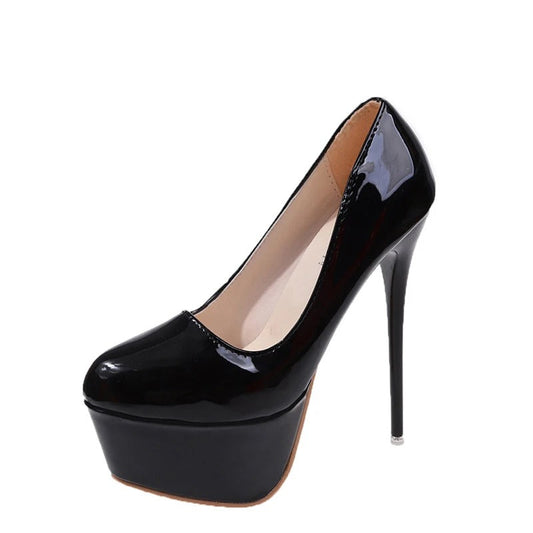 Sale
Sale -
Feminine & Flawless: Hiding Gaff Panties with Hip Pads
Regular price HK$781.00 HKDRegular priceUnit price perHK$1,003.00 HKDSale price HK$781.00 HKD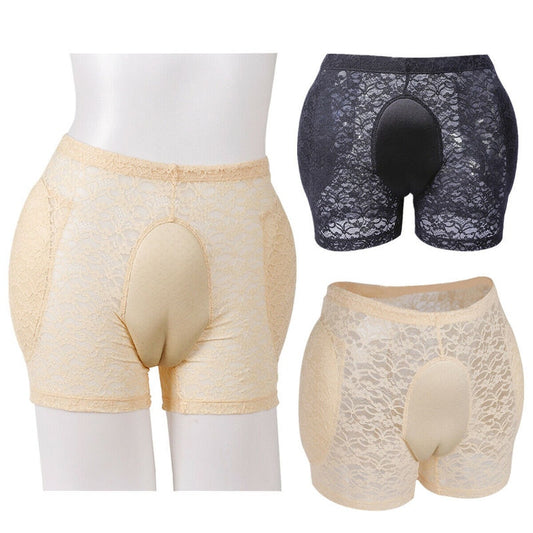 Sale
Sale -
Drag Queen Essential: Padded Hip & Butt Enhancing Panties for Killer Curves & Hourglass Perfection!
Regular price HK$1,227.00 HKDRegular priceUnit price perHK$995.00 HKDSale price HK$1,227.00 HKD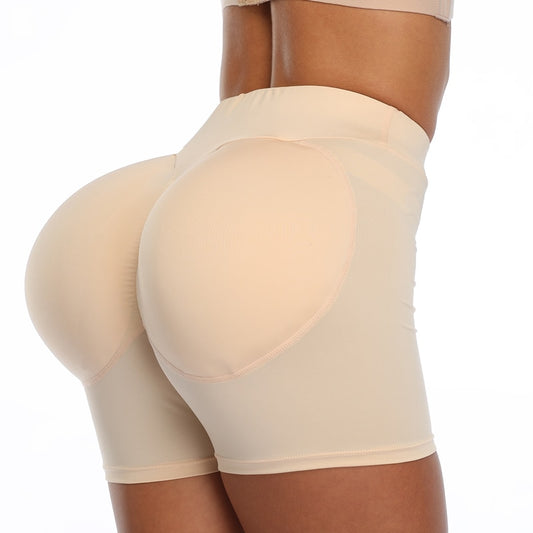
-
Thick Plus Size Tear Resistant Super Elastic Pantyhose
Regular price HK$399.00 HKDRegular priceUnit price perHK$709.00 HKDSale price HK$399.00 HKD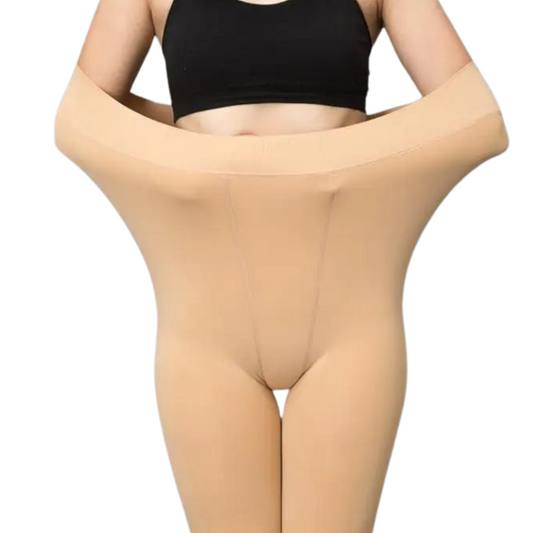 Sale
Sale -
Amie Thyst Silicone Breast Forms
Regular price From HK$2,112.00 HKDRegular priceUnit price perHK$2,946.00 HKDSale price From HK$2,112.00 HKD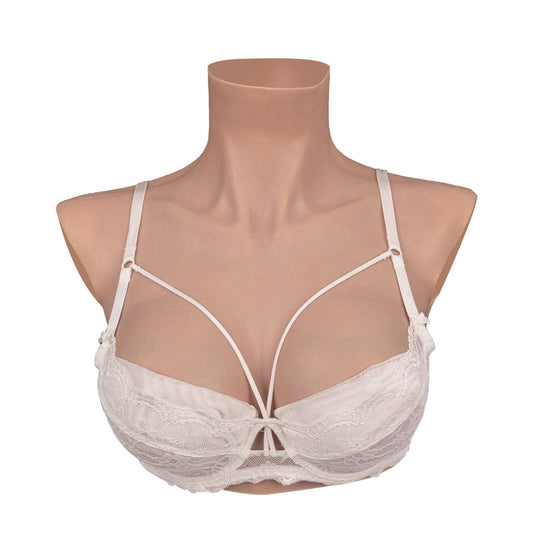 Sale
Sale -
Glossy Mary Jane Block Heels – Candy Colors for Sissies & Cuties
Regular price From HK$1,195.00 HKDRegular priceUnit price perHK$1,952.00 HKDSale price From HK$1,195.00 HKD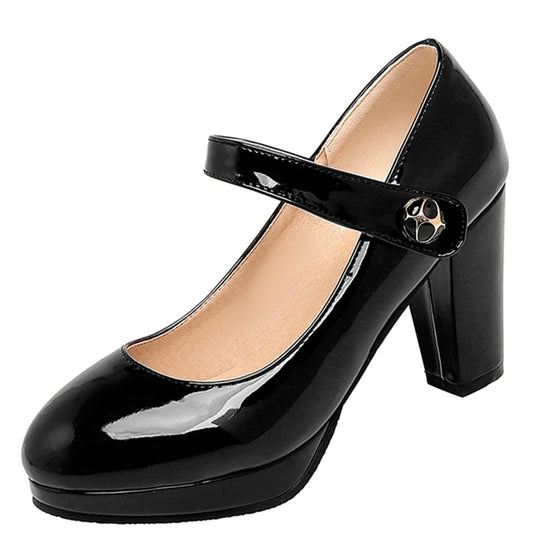 Sale
Sale -
Queen Leticia Underbust Satin Corset
Regular price HK$554.00 HKDRegular priceUnit price perHK$518.00 HKDSale price HK$554.00 HKD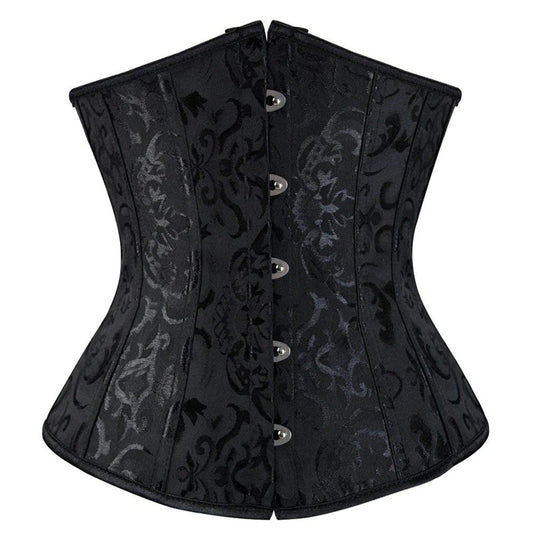
-
Lace Bra & Breast Form Set
Regular price HK$1,394.00 HKDRegular priceUnit price perHK$1,156.00 HKDSale price HK$1,394.00 HKD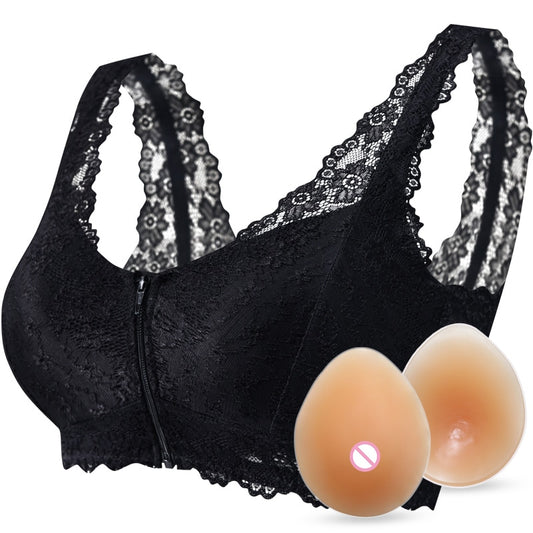
-
Slay the Stage with Our Fierce Drag Queen Booty & Hip Enhancer Shorts!
Regular price HK$1,086.00 HKDSale price HK$1,086.00 HKDUnit price per